
Simple Sensory Activities for Autism That Help Kids Calm, Focus, and Play
Sensory activities can help autistic children feel calmer, focus better, and feel safer in a world that can feel overwhelming at times. Parenting a child on the spectrum often means paying close attention to small details, because what feels comforting one day can suddenly feel like too much the next.
Sensory activities are not just about play. They are gentle tools that can support regulation, learning, and emotional comfort.
- What feels soothing one day might feel overwhelming another day.
- Sensory activities can help children:
- Regulate their bodies and feel calmer when sensory input feels unpredictable
- Build fine motor skills through touch, texture, and hands-on play
- Increase focus and engagement using safe, structured sensory input
- Occupational therapists often use tactile play, deep pressure, and carefully chosen tools to help children move through daily life with more ease.
- If you are unsure where to begin, it is always okay to talk with your child’s pediatrician or occupational therapist.
25+ Sensory Activities for Infants, Toddlers, and Preschoolers
Simple Sensory Activity Ideas for Autism
1. Tactile Sensory Mats
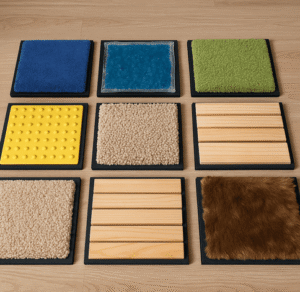
Tactile sensory mats allow autistic children to explore different textures in a controlled and predictable way. Many children find these mats grounding, especially when their bodies are seeking sensory input.
- They offer texture-based exploration using surfaces like soft fabric, squishy gel, and smooth wood tiles that can be explored with hands or feet.
- They can support balance, coordination, and body awareness.
2. DIY Sensory Boards
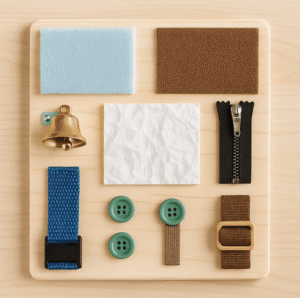
DIY sensory boards are simple to create and easy to customize. Using everyday materials lets children explore at their own pace without pressure.
You can include fabrics, sandpaper, bells, crinkly paper, or zippers. These boards support focus, fine motor development, and tactile processing while keeping expectations low.
3. Messy but Meaningful Activities
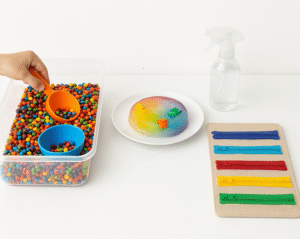
Some sensory activities are a little messy, but they often lead to deep focus and calm engagement.
- Colored bean bins: Helpful for scooping, sorting, and quiet hand work.
- Rainbow ice exploration: Melting ice to uncover small items encourages patience and curiosity.
- Zipper boards: Useful for practicing independence and fine motor control.
Glowing water under a black light or soft slime can also be engaging, especially for children who enjoy visual movement and light-based sensory input.
4. Therapy Inspired Sensory Favorites
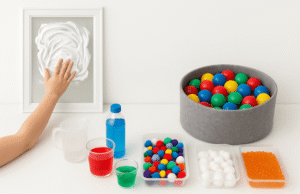
Many therapy centers recommend simple activities that offer predictable sensory feedback.
- Shaving cream window painting, which is tactile, calming, and easy to clean.
- Pouring stations with colored water and containers that support coordination.
- A ball pit, if space allows, to provide deep pressure and body awareness.
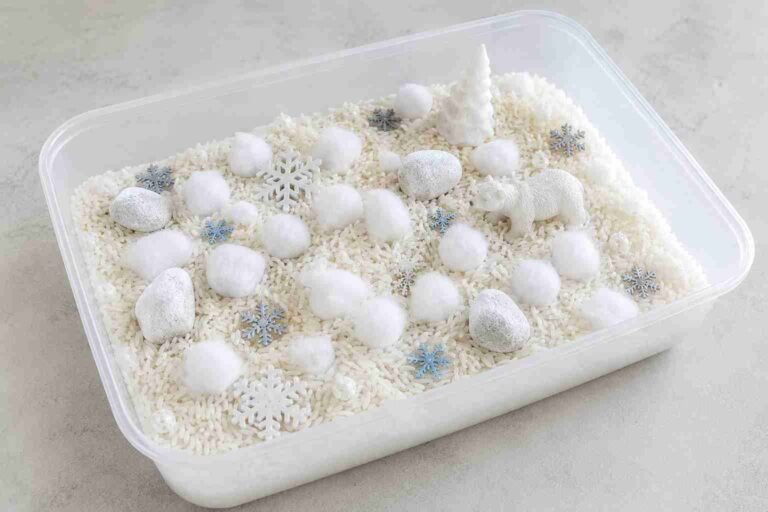
- Sensory walks using tubs filled with cotton, pom poms, or water beads for stepping and exploration.
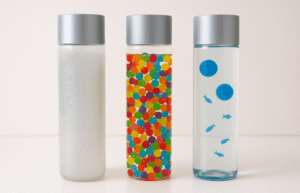
5. Calming Sensory Bottles
Sensory bottles are simple, portable tools that many children find soothing. They work especially well during transitions or moments when emotions start to build.
Fill bottles with water, glitter, beads, or other sensory-safe items. Slow visual movement can help support calm attention.
Research-Backed Benefits
Sensory bins, boards, and calming tools are often used as part of sensory integration approaches.
- Occupational therapy research suggests that consistent sensory activities may support self-regulation and behavior over time, though results vary from child to child.
- Quiet spaces or calm zones can offer a safe place for children to reset and regain focus.
Build a Simple Sensory Toolkit at Home
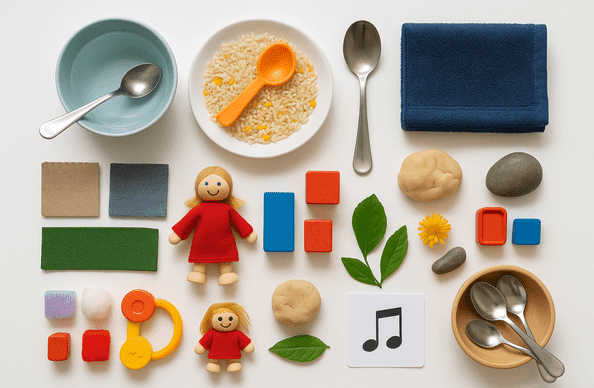
- Storage bins or trays for basic sensory stations
- Textured materials like fabric scraps, smooth stones, or sandpaper
- Manipulatives such as spoons, zippers, and large toys kept safe for exploration
- DIY tools like sensory bottles or gel-filled mats
- A quiet corner with soft lighting, weighted pillows, and gentle sounds
Most of these items can be found at home. Nothing expensive or complicated is required.
Safety and Sensory Sensitivities
Every child experiences sensory input differently. Some are sensitive to sound or touch, while others seek stronger input.
- Reduce loud noises and visual distractions
- Use soft lighting and gentle touch
- Offer predictable choices instead of surprises
- Use ear defenders or weighted lap pads if they help your child feel settled
Always follow your child’s lead. If they pull away or seem uncomfortable, pause or switch activities. Sensory play should never feel forced. Comfort comes before progress.
A moment a close friend shared with me:
One afternoon, her daughter suddenly refused a favorite fuzzy mat because it felt itchy. They switched to a smooth, gel-filled mat instead. Almost immediately, she relaxed and explored it with her hands for nearly twenty minutes. A small change made a big difference.
AAP: The Power of Play
The American Academy of Pediatrics explains that play supports brain development, emotional regulation, social skills, and language. Pediatricians encourage play as part of everyday routines, especially for children who benefit from predictability.
American Academy of Pediatrics – The Power of Play
FAQs
What are sensory mats for autism and how do they help?
- Sensory mats offer varied textures and gentle pressure that support balance, body awareness, and tactile regulation in a safe way.
Which sensory activities are most calming for autistic children?
- Sensory bottles, weighted items, smooth-textured boards, and cozy mats are often calming because they provide predictable input.
What makes tactile sensory activities effective?
- They provide structured, repetitive tactile input that can support focus, motor skills, and emotional regulation when matched to a child’s preferences.
Are sensory-based tools evidence-based?
- Sensory integration approaches are widely used in occupational therapy. Evidence is mixed, but many children benefit most when activities are personalized and guided by professionals.



One Comment