
21 Month Old Not Talking But Understands? What It Really Means
- If your 21 month old is not talking yet, it’s completely normal to feel worried.
- Many parents go through this stage and wonder if something is wrong. According to pediatric guidelines, children develop speech at different speeds, and many toddlers understand far more than they can say.
- This is why searches like 21 month old not talking but understands are so common. In many cases, it simply means your child is a late talker. The important thing is not just how many words they say, but how they communicate overall through understanding, gestures, and interaction.
- According to CDC developmental milestones, many children show a wide range of language skills at this age

In this post, we’ll gently look at what’s normal, what’s reassuring, and when extra support might help.
Late Language Emergence (LLE) vs. Language Disorder What’s the Difference?
This is the big question parents wrestle with at 21 months.
- Late Talker: A toddler who understands a lot, uses gestures, babbles with variety, but has fewer spoken words than peers. Many late talkers catch up quickly, especially between 22–30 months.
- Language Delay: A toddler who not only says few (or no) words but also struggles with understanding, gestures, or social engagement. In these cases, professional support is helpful.
In short: if your toddler gets it but doesn’t say it yet, they may just be late to the talking party.
Speech professionals often describe this using two terms.
- Receptive language is what your child understands.
- Expressive language is what your child can say.
Your toddler gets everything—follows instructions, knows exactly where the snacks are hidden, laughs at the right parts of books. They just aren’t saying much yet. That’s called an expressive delay, and it’s super common in late talkers
The American Academy of Pediatrics outlines both expressive and receptive language milestones that help pediatricians monitor speech development
Why 21 Months Feels Like a Tipping Point
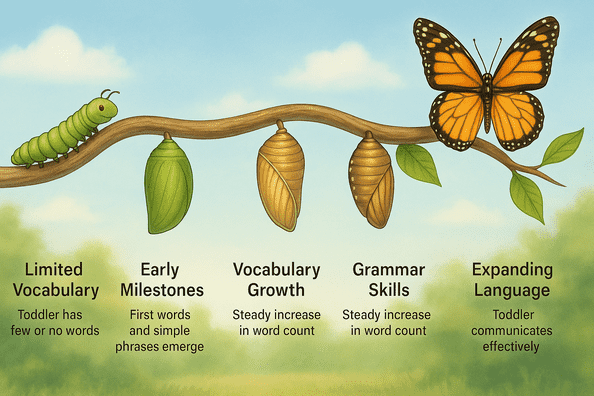
Between 18-24 months, speech therapists call it the ‘language explosion’ and honestly, that’s the perfect name. One day your toddler has 5 words. Two weeks later, they’re naming every dog they see . For many toddlers, words suddenly multiply like popcorn popping what seemed like silence last month can become a dozen words next month.
At 21 months, your child is standing right at the doorway to that explosion. Some step through early, others hover at the edge until they’re ready.
Signs That Reassure When Your 21 Month Old Is Not Talking
If your toddler is doing these things, it’s a good sign their language foundation is strong, even if spoken words are sparse:
- Points, waves, or brings you objects
- Follows one step directions like give me your shoe
- Reacts to familiar names (Where’s Daddy?)
- Shows understanding with actions (runs to the door when you say outside)
I started calling these silent words. When Eeshaan would point, wave, or bring me his shoes, I knew his brain was working on language his mouth just wasn’t ready yet.
These behaviors also show strong joint attention, which means your child is sharing focus and communication with you. Joint attention is a key foundation for speech.
Some toddlers also learn language in chunks instead of single words. This is sometimes called gestalt language processing, where children first copy sounds or phrases before breaking them into individual words later.
While this can be part of typical development, it should be monitored by professionals if speech remains limited after age 2.5.
When to Worry About a 21 Month Old Not Talking
Pediatricians recommend evaluation if a 21-month-old:
- Has fewer than 10 clear words
- Rarely uses gestures to communicate
- Doesn’t seem to understand simple instructions
- Stops using skills they had before (regression)
These don’t automatically mean something serious but they’re clues a professional may want to check out.
How to Help a 21 Month Old Start Talking
Here’s the shift: instead of activities, think scenarios. Everyday life is the best classroom.
Snack time: Snack time is my favorite language moment even when Eeshaan just grunts and lunges for the crackers. I hold up the banana and the crackers, wait (which feels awkward), and eventually he’ll point or make a sound. Sometimes he just grabs both. That’s toddlers
Playtime: When Eeshaan pushed his red car across the floor, I’d get down next to him and go ‘Vroom! Fast!’ Sometimes he’d ignore me. Sometimes he’d giggle. Once in a while, he’d try ‘Fa’ for fast, and I’d celebrate like he’d won an Oscar
Storytime: Instead of reading every word, pause on a picture: “Dog!” and wait. Even a sound or gesture is progress.
Outings: At the park, narrate what excites them Slide! Whee! vs. labeling random things they’re not paying attention to.
| Skill Area | Common at 21 Months | Possible Concern |
|---|---|---|
| Spoken words | 50–100 words (but wide variation) | Fewer than 10 recognizable words |
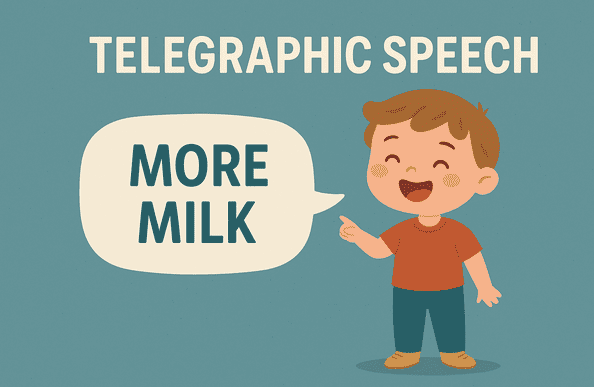
| Word combos | Some start 2-word phrases | No attempts to combine words by age 2 |
| Understanding | Follows simple commands | Doesn’t respond to name or directions |
| Gestures | Points, waves, brings items | Rarely uses gestures |
The 5 Second Rule: A Simple Way to Encourage Speech
- When your toddler wants something, try waiting silently for about five seconds before helping.
- That pause gives their brain a chance to try a sound, gesture, or word.
For example, if they reach for water, hold it near and wait. Many times, you’ll see:
- A sound
- A look
- A small attempt at a word
Even a tiny effort is progress. Respond warmly and say the word clearly
Water. Eeshaan You want water?.
I tried this with Eeshaan when he wanted his water. Those 5 seconds felt like an hour of silence, but then he finally made a Www sound. It wasn’t Water yet, but it was a massive win for us
Some days you’ll wonder if all this effort is doing anything. Then they’ll surprise you
Want to compare milestones by month?
How Many Words Should a Toddler Say by Age?
Frequently Asked Questions (FAQ)
How many words should a 21 month old say?
Most toddlers say around 10–20 meaningful words by 21 months. Some may say more and some less. What matters more is that your child understands language, uses gestures, and tries to communicate.
Why is my 21 month old not talking but understands everything?
This usually means they’re getting everything you say they’re just not saying much back yet. And that’s okay. Many late talkers understand a lot before they start speaking. This is very common and often temporary.
Is it normal for a 21 month old to only babble?
Babbling with different sounds shows your child is practicing speech. If babbling is present along with understanding and gestures, it is generally reassuring.
Should I be worried if my 21 month old is not talking?
Not always. One missing skill alone is not an emergency. But if your child has very few words and also doesn’t point, gesture, or follow simple directions, it’s worth discussing with your pediatrician.
Can hearing problems cause delayed speech?
Yes. Even mild hearing issues can make it harder for toddlers to learn words. That’s why hearing checks are often recommended when speech is delayed.
What is the difference between receptive and expressive language?
Receptive language is what your child understands.
Expressive language is what your child can say.
Many toddlers who are not talking yet have strong receptive language and slower expressive language.
Is speech therapy necessary for a 21 month old?
Speech therapy is not a punishment or a failure. It is gentle support. If your child has very few words or shows other concerns, an evaluation can help guide the next steps.
What can I do at home to help my toddler talk?
- Talk slowly and clearly
- Repeat simple words often
- Read picture books/ board books daily
- Follow your child’s interests
- Use the 5-second pause before helping them
When should I seek professional help?
If your child is close to 24 months with very few words, or if understanding and social interaction also seem limited, it’s a good time to seek guidance. Early support is always helpful.



One Comment