
23–26 Month Old Not Talking: What Parents Should Do Next
If your 23 to 26 month old understands everything but isn’t talking much, it usually means receptive language is strong while expressive speech is still developing. Many toddlers follow this pattern and catch up, especially with gentle support.
When your toddler understands everything but isn’t talking much yet, it can feel confusing and worrying. At the same time, the 23 to 26 month stage is a key turning point in speech development, when many children move toward the 50 word milestone.
In this post, we’ll look at what this milestone really means, how to know if your child is on the right path, and when gentle support can help.
When Your 2 year Old Understands Everything but Isn’t Talking Yet
We hit 24 months with high hopes maybe a new word or two. Instead, we got a quiet toddler with a brilliant understanding of everything around him. That moment felt different one quiet evening: He smiled and signed milk.
That’s when I learned something essential: by this age, focusing on what to do next matters more than fretting over the timeline.
Many children between 12 and 24 months understand several times more words than they can express. This gap is considered a normal stage of development, not a problem by itself.
- For a full month by month word chart, you may also find this helpful:
How Many Words Should a Toddler Say by Age?

The 50-Word Milestone: Why 24 Months Matters
If you’ve filled out pediatric forms or read parenting forums, you’ve probably seen the number 50.
Around 24 months, pediatricians often look for about 50 meaningful words because this is when language usually shifts from naming things to combining ideas.
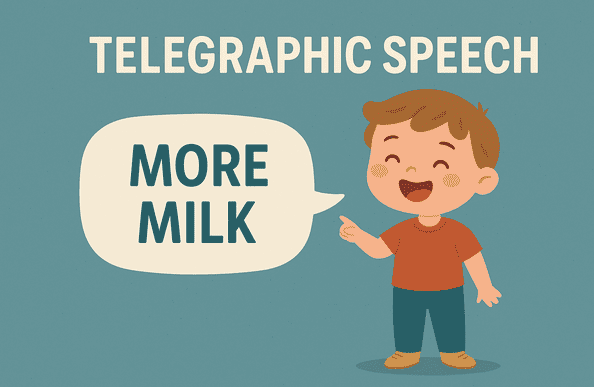
This is when toddlers move from:
- Milk to More Milk
- Daddy go
- Big truck
This shift is often called the language explosion.
According to major pediatric hospitals and speech-language departments, it is very common for toddlers to understand far more words than they can say. Receptive language often develops faster than expressive speech during the second year of life.
Why 50 Words Is Important
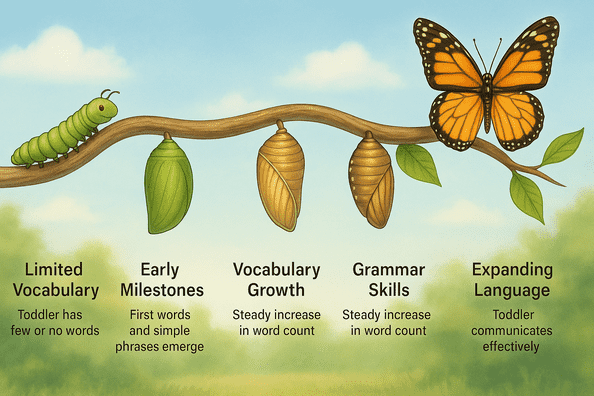
Fifty words isn’t random. It shows your child has built a big enough word bank to start joining words into short phrases. Once this happens, vocabulary often grows quickly.
That’s why this milestone matters.
The Reality Check for Late Talkers
If your 2 years old has 15 or 20 words, don’t panic.
But do pay attention to progress.
The Bridge Is Moving If Your Child:
- Adds new words, even slowly
- Understands simple and slightly complex directions
- Uses gestures, sounds, or pointing to communicate
- Tries to get your attention when you don’t understand
The Bridge May Be Stalled If Your Child:
- Has stayed at the same few words for months
- Rarely uses gestures
Doesn’t try to communicate or seem frustrated
Dad to Dad Thought
The 50 word milestone is a yellow light, not a red one.
It’s a reminder to pause, look at the full picture of communication, and decide whether gentle support like a speech evaluation could help.
Early support never harms. It only helps.
Understanding the Middle Ground: 23 to 26 Months Speech Snapshot
Some toddlers understand language well but struggle with the physical coordination needed to produce speech sounds. Speaking requires precise timing between the brain, lips, tongue, and jaw. For some children, this coordination develops more slowly.
This does not reflect intelligence. It simply means their speech system is still organizing itself. With time and gentle guidance, many children in this group make strong progress.
- At this phase, many toddlers have a vocabulary under 50 words or still rely on gestures to communicate.
- That doesn’t mean something’s wrong. It’s often a sign that receptive language is strong, but expressive language hasn’t caught up yet.
- Early intervention specialists call this the waiting window you’re not too early, not too late, just in a steady phase of growth.
What to Do If Your 23 to 26 Month Old Is Not Talking Yet
Here are real, practical next steps that feel like small moves, not panic:
- Talk to your pediatrician at the 2-year visit, even if your child understands well. This ensures proper screening and referrals if needed.
- Schedule a speech-language evaluation if your child uses fewer than 10 meaningful words or relies mostly on gestures. Early intervention is free in many regions.
- Expose your child to peer language through daycare, playgroups, or library classes. Hearing peers speak can stimulate speech attempts.
- Check hearing health. Fluid or repeated ear infections can quietly delay speech.
If your toddler has not said any clear words by 15 to 16 months, it’s a good idea to discuss this with your pediatrician. Early guidance helps ensure your child stays on track, even if everything later turns out to be normal.
Why a 23 to 26 Month Old Not Talking Can Still Be Normal
Research shows many toddlers in this range are late talkers they eventually catch up, especially if intervention happens early. Being quiet now doesn’t determine school years ahead.
23 to 26 Month Speech Development: Typical vs When to Act
| Skill Area | Typical By 24–26 Months | Next Steps If Still Delayed |
|---|---|---|
| Words Spoken | around 50 words, and beginning 2-word phrases | Fewer than 10 words → seek evaluation |
| Understanding | Follows simple commands, names familiar items | Poor comprehension → talk to pediatrician |
| Gestures/Social | Uses pointing, shows objects, maybe mimics | Few gestures → mention with provider |
Not Talking at 23 to 26 Months Mean Autism?
Not necessarily. Many toddlers who are not talking at this age are not autistic. Autism involves persistent differences in social communication, eye contact, shared attention, play, and interaction not speech delay alone.
If your child:
- Makes eye contact
- Points or uses gestures
- Brings you objects
- Enjoys interaction and play
- Responds to their name
these are very reassuring signs. They show strong social and communication foundations, even if spoken words are still developing.
Speech delay by itself does not equal autism. It’s the combination of social, communication, and behavioral signs that matters.
Official Guidelines & Developmental Resources
These resources reflect official developmental standards used by pediatric professionals:
- CDC Milestone Tracker (2 Year Olds): A checklist of what most children do by age 2, including social, emotional, and communication milestones.
- AAP (HealthyChildren.org) – Language Development: The American Academy of Pediatrics’ guide on what to expect during the “language explosion” phase.
- ASHA – Communication Milestones (24 to 30 Months): Detailed technical breakdown from the American Speech-Language-Hearing Association regarding sounds and word combinations.
This article is for educational purposes and does not replace professional medical advice. Always consult your pediatrician or a licensed speech language pathologist for concerns specific to your child.
FAQ: 23 to 26 Month Old Not Talking
Can speech delay be caused by screen time?
Excessive screen exposure can reduce real-life interaction, which is essential for speech development. Interactive play and face-to-face conversation matter more than videos or apps.
Is it normal for a 23 month old not talking but understands everything?
Yes. This usually means receptive language is strong and expressive language is still developing. Many late talkers follow this pattern.
Why is my 2 year old not talking but understands?
Some toddlers learn understanding first and speaking later. This is common and often temporary.
Is a 23 – 26 month old not talking a red flag?
Not always. It becomes a concern if there are very few words *and* limited gestures, poor eye contact, or little response to name.
Does not talking at 23 – 26 months mean autism?
No. Speech delay alone does not mean autism. Social connection, eye contact, pointing, and play matter more.
My 2 year old is babbling but not talking. Is that okay?
Yes. Babbling shows speech development. It’s a positive sign, especially with good understanding.
How many words should 2 year olds say
Many toddlers use 50+ words and may start 2 word phrases. Fewer than 10 words is a reason to seek evaluation.
What if my 23 month old is very active and not talking?
Some active toddlers focus on movement first and speech follows later. This is common in late talkers.
Should I wait or act if my 2 year old is not talking?
It’s better to act calmly. Early evaluation gives guidance and peace of mind.
Can a toddler be non verbal and not autistic?
Yes. Many late talkers are not autistic and catch up with support.
What is the next step if my 2 year old is not talking much?
Talk to your pediatrician and consider an early speech evaluation. Early support helps, never harms.




One Comment