
25+ Sensory Activities for Infants, Toddlers, and Preschoolers
Last month, we took Eeshaan to a cornfield. No toys, no screens just dried corn seeds and his tiny curious hands. He sat there for twenty minutes, scooping, pouring, watching them fall through his fingers.
That’s sensory play in its purest form. And here’s what surprised me: it doesn’t need fancy toys or Pinterest-perfect setups. Your kitchen, your backyard, your handsthat’s all you really need

What Is Sensory Play?
Sensory play is any activity that stimulates a child’s five senses touch, sight, hearing, smell, and taste. It also includes the hidden senses, like balance (vestibular) and body awareness (proprioception).
In simple words, sensory play helps babies, toddlers, and preschoolers grow their brains while having fun. Through touch, sound, sight, smell, and movement, kids slowly build the foundations for language, problem-solving, emotional balance, and motor skills.
And here’s the part I love it doesn’t need fancy toys.
- Simple things like playing in sand, splashing water, or handling safe kitchen items like rice or flour give children endless chances to explore, imagine, and enjoy. Over time, these tiny experiences help the brain form stronger connections. That’s when you start noticing early math, science, and language skills showing up naturally, without forcing lessons.
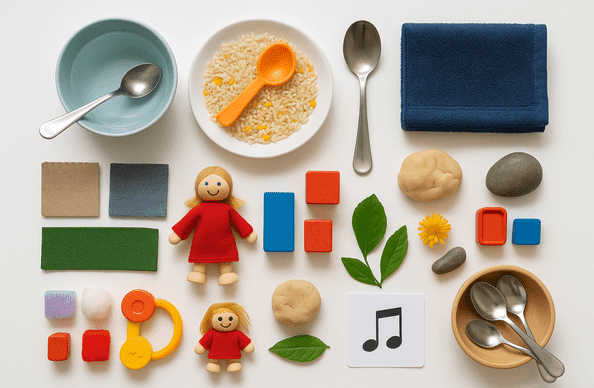
Why Sensory Play Is So Important
Here’s what your child is really learning during sensory activities:
- Sensory play gives children with autism a safe way to feel regulated, understood, and confident in their bodies and surroundings.
- When kids squish clay, splash water, or shake a rattle, they’re not just playing they’re building creativity, problem-solving skills, and strong brain connections.
- Pediatric therapists often recommend sensory play because it supports emotional regulation, coordination, and everyday independence
- The American Academy of Pediatrics (AAP) explains that play supports cognitive, social, and emotional development in children
Benefits of sensory play
Sensory play is very important because it helps children grow strong in body, mind, and heart And the best part is, it doesn’t feel like teaching. It just feels like play
- Fine Motor Skills
When children scoop rice, squeeze clay, or turn the pages of a book, their fingers become stronger. These strong little fingers will help them eat food by themselves, button their clothes, and one day, hold a pencil to write. - Language Power
When children touch soft sand, smell flowers, or play with water, they learn new words like soft, wet, or cold. These words help them talk better and ask questions, so they can explain what they feel. - Problem-Solving and Imagination
When a child mixes colors, pours water into bottles, or builds with blocks, they are learning how to solve problems and think in new ways. This makes their brain sharp and creative. - Social-Emotional Growth
When children share toys or wait for their turn, they learn patience and kindness. Playing with others also teaches them how to control their feelings and stay calm when upset. - All Five Senses
Children can use their eyes to see, their hands to touch, their nose to smell, their ears to listen, and sometimes even their tongue to taste during sensory play. This helps them understand the world in a full way.

Sensory Activities by Age:
From experience, babies and toddlers don’t enjoy the same kind of play for long. What kept my 3 month old son Eeshaan interested during tummy time was very different from what excited him after his first birthday.
So here’s a simple, age wise guide you can try at home.
0 to 6 Months (Newborn to Early Baby Stage)
- Tummy time : Even 2 to 3 minutes on your chest counts. With Vihaan at 3 months, I’d lay him on his stomach and put colorful objects just out of reach. Sometimes he’d get frustrated and face plant. Other times, he’d stretch and reach like a tiny gymnast.
- High-contrast cards: Black and white patterns fascinate newborns because that’s all they can really see clearly. I printed free ones from Google and taped them near the changing table. Instant entertainment.
- Your voice: Sing, hum, talk nonsense doesn’t matter. Your voice is their favorite sound, even when you’re just narrating your grocery list (trust me, I’ve done it).
- Gentle touch: Soft cloths, your fingertips on their hands and feet, skin-to-skin cuddles. Eeshaan would calm down instantly when I’d stroke his tiny palms during diaper changes.
- Gentle baby massage for bonding and relaxation
- check this post for new born sensory activities
My Experience with Eeshaan (at 3 Months Old):
When my son Eeshaan was around 3 months old, I used to place him on his tummy and put colorful objects, flash cards, and soft books in front of him. He loved looking at them and sometimes tried to reach out and touch.
This made tummy time more fun and also helped him strengthen his little muscles while exploring the world around him.
Sensory Activities for 6 to 12 Months (Older Babies)
- Playing peek a boo with a scarf
- Exploring safe household objects (spoon, plate, cup)
- Crawling on different textures (mat, blanket, floor)
- Tasting safe fruits like mashed banana or apple puree
My Experience with Eeshaan ( at 6 to 12 Months Old)
- When Eeshaan turned 6 months, I started giving him more floor time so he could roll, stretch, and move freely. I also made it a habit to talk with him using simple family words like dada , mama and tata.
- To my surprise, he tried to reply in his own little way. This not only made our playtime fun but also encouraged his early language development and bonding.
- Later, when Eeshaan was 10 months old, we went to our village where we have a pet dog named Chitti. Everyone around was calling the dog by name, and Eeshan carefully observed. To our joy, he also started saying “Chitti.”
- It was such a beautiful moment, showing how quickly babies learn words by listening to people and connecting them with what they see.
Sensory activities for toddlers
Toddler Sensory Activities:
- Steel bowls and spoons
Eeshaan loves our kitchen bowls. He stacks them. He bangs them together. He puts small bowls inside big bowls. It’s noisy, but he’s learning so much. His hands are getting stronger every day. - Pouring rice
I give him a bowl of rice and a cup. He pours the rice from bowl to cup, cup to bowl. Most of it falls on the floor. But his little fingers are learning to hold and pour. - Shape sorting toy
Yesterday, Eeshaan tried to put the circle block in the square hole. He tried 15 times. He got upset. But he kept trying. When he finally got it right, he smiled so big. He was so proud of himself. - Opening containers
He opens and closes plastic boxes, lids, and cabinet doors all day. It looks simple, but it makes his hands strong. And he’s learning how things work. - Drawing with crayons
He scribbles on paper with crayons. Sometimes he tries to eat them. But those messy scribbles are his first steps toward writing one day.
These activities look like simple play. But Eeshaan is actually learningwith his hands, his eyes, and his brain.
Parent story: My Experience with Eeshaan ( at 14 Months Old):
- When Eeshaan is at 14 months old, and I can see how quickly he is learning through play. He loves stacking objects and playing with kitchen items like steel plates and bowls sometimes banging them to make sounds, and sometimes filling and emptying them with great focus.
- He also enjoys playing with his shape sorting toy, carefully trying to match each block with the right hole.
- One of the sweetest things is when he sees a glass or bottle, he asks for water or milk.
- Watching him connect objects with their use, solve problems, and express his needs fills me with joy as a parent. It reminds me that even simple play at home can help children grow in so many ways.
2–3 Years(Toddlers Growing Up)
- At this stage, children begin sorting by color and size, pretending to cook or care for dolls, and dancing to songs.
- They are full of imagination and curiosity always trying to do it themselves.
- Simple activities like rolling dough or pouring water give them confidence while making playtime meaningful.
3–5 Years(Preschoolers)
- Preschoolers love creativity mixing colors, playing with sand, and telling stories with dolls or puppets.
- They enjoy helping in small chores like wiping a table or watering plants, which makes them feel responsible.
- Music, movement games, and building towers or houses with blocks boost memory, teamwork, and problem solving in fun ways.
- Check this detailed post on sensory activities for preschoolers
How to Set Up Sensory Play Without the Mess
I love sensory play. Cleaning rice from every corner of the house? Not so much.
What works for me is spreading an old bedsheet on the floor, giving only a small bowl of rice or water, and offering just a few toys at a time. Small limits keep play fun for kids and stress free for parents.
My Top 10 Sensory play activities for Preschoolers
Preschoolers are full of energy and curiosity, and the best part is they don’t need fancy toys. Even simple things at home like water, rice, spoons, or leaves can give them endless fun and learning. Here are some easy ideas that any parent can try at home.
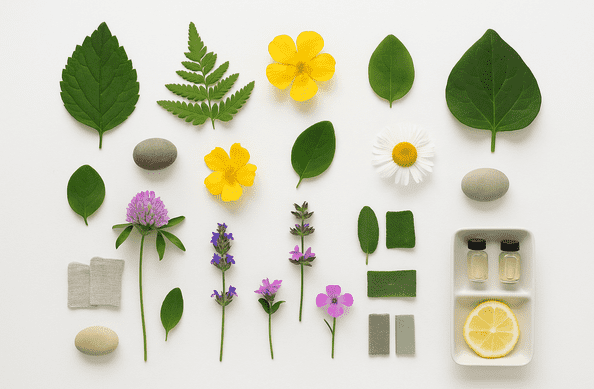
Top 10 Sensory Play Activities for Preschoolers (With Things at Home)
- Water Fun : Give a small bowl of water with a cup and spoon. Let them pour and splash.
- Rice or Dal Play:
What you need: Rice, bowl, spoon
How to do: Let your child scoop and pour
Skills built: Fine motor, focus, patience - Kitchen Sounds: Let them bang steel plates, spoons etc.
- Cloth Basket: Give old clothes to fold, feel, or stack.
- Leaf and Flower Collection: Ask them to collect leaves, flowers, or stones from outside and explore textures.
- Storytime with Family: Use dolls, or even your hands as puppets, and tell small stories.
- Color Hunt: Ask them to find things of the same color around the house.
- Sorting Game: Sort spoons, cups, or toys.
- Clay or Atta Dough: Give a small ball of atta or mud to roll, press, and shape.
- Action Songs: Sing simple rhymes with clapping, jumping, or dancing.
Always supervise small children, especially during activities with small parts or water!
Sensory Activities Before Bed
Sensory activities before bed help children calm their nervous system and prepare for sleep.
- Gentle Massage
A light baby oil massage on hands, legs, and feet helps kids feel safe, calm, and ready for sleep. - Story telling
Bedtime stories create magic. Use a soft voice, show pictures, or act with your hands. This cozy habit not only relaxes them but also sparks their imagination before they drift off. - Soft Music
Play soft instrumental tunes, lullabies, or nature sounds like flowing water. The soothing rhythm quiets their mind and sets the mood for peaceful sleep. - Mantras or Chants
Softly chanting a simple mantra or prayer brings peace and comfort. The gentle repetition of sounds creates a safe and calming atmosphere for sleep. - Cuddling with a Soft Toy or Blanket
Snuggling with a favorite toy or soft blanket gives children comfort and security. It signals that it’s time to settle down and rest. - Breathing Game
Turn deep breathing into a fun game. Ask your child to smell the flower and then ask them like blow the candle (exhale slowly). This simple trick calms their body and helps them relax before bed.
At bedtime with Eeshaan, we’ve built a little ritual: I show him a board book with animals, wrap him in his soft blue blanket, and talk through our day. Remember when we played with the rice? You poured it everywhere! He doesn’t respond much yet, but his body relaxes, and that’s how I know he’s listening
Sensory Seekers vs. Sensory Avoiders
The right activities can help both sensory seekers and avoiders find their best chance at restful sleep.
If Your Child Is a Sensory Seeker
Some kids need MORE: more movement, more noise, more touch. With Eeshaan, I started noticing this around 12 months:
- The bowl symphony: He’ll bang steel bowls together for what feels like hours. At first I thought it was just noise-making. Then I realized he needs that sound feedback. It actually calms him down.
- Water play that never ends: Bath time? He’d splash and pour for 45 minutes straight if I let him. Refuses to get out. The sensory input from water is like his reset button.
- Constant motion: Jumping, climbing, crashing into couch cushions. He’s not being destructive his body is literally seeking that pressure and movement input to feel regulated.
- The tight hugger: When he hugs, he squeezes. Not gentle baby cuddles full-body pressure hugs. That deep pressure is soothing for him.
(For example, my son Eeshaan loves stacking and banging steel bowls. At first, I thought it was just noise but later I realized it was his way of enjoying sensory play.
Their body and brain need more movement, touch, or sound to feel balanced. What looks like “too much” is actually normal for them.
If Your Child Is a Sensory Avoider Then try these activities
Some kids don’t like too much noise, touch, or change. They feel better with calm, gentle routines.
- Quiet Time: About 30 minutes before bed, start something calm like reading a story, doing a puzzle, or quiet solo play.
- Soft Pajamas: Pick comfy clothes without itchy tags.
- Calm Space: Clear away extra toys and keep the room simple. Use dim lights or a small night lamp to relax the mood.
- Gentle Massage: Rub a little lotion on their hands.
- Same Routine Every Night: Start a little earlier and follow the same steps (bath, story, cuddle). Predictability makes them feel secure.
- Background Sound: A soft fan or white noise can cover up sudden noises outside that might disturb sleep.
Sensory table activities for Toddlers & Preschoolers
| Activity | What You Need | Skills Developed | How to Do It |
|---|---|---|---|
| Rainbow Rice Bin | Dyed rice, bin, scoops | Fine motor, color recognition, sorting | Fill a bin, offer scoops, let kids pour and sort. |
| Cloud Dough | Flour, oil | Molding, texture exploration | Mix and play squishing and shaping dough. |
| DIY Sensory Bottle | Water bottle, glitter, beads | Visual tracking, calming | Add water, glitter, beads; shake and watch the magic. |
| Shaving Cream Fun | Shaving cream, tray | Tactile, creativity, writing prep | Spread cream, draw or trace in it. |
| Nature Scavenger Hunt | Outdoor finds: leaves, sticks | Touch, sight, language | Collect items, compare textures, smells, and colors. |
| Oobleck (Goop) | Cornstarch, water | Science thinking, tactile exploration | Mix and feel the wild textures solid or liquid |
| Playdough Party | Playdough and tools | Squeezing, creative building | Roll, shape, cut, and create together. |
| Water Play Station | Water, cups, spoons, toys | Pouring, coordination, sound | Splash, fill, pour, and float objects. |
| Sound Tubes | Tubes, rice/beans | Auditory, fine motor | Fill, seal, and shake tubes for different sound sensations. |
| Edible Sensory Tray | Taste-safe snacks, tray | Taste, smell, language | Smell, touch, and taste different foods under supervision. |
What Actually Works
- Start boring: Your fanciest idea will probably flop. Eeshaan ignored expensive sensory toys but played for 20 minutes with an empty plastic bottle and some dried chickpeas.
- Supervise like a hawk: At 14 months, everything goes in the mouth. I learned this when Eeshaan tried to eat a dried bean during rice play. Now I use larger pasta or skip the edibles entirely.
- Let them lead: Some days he’s all-in on water play. Other days he touches it once and walks away. That’s toddlers. Don’t force it.
- Cleanup is part of the activity: Hand them a small dustpan or towel. Does it help? Not really. But it teaches responsibility and they feel important
Whether it’s at home, in school, or before bed, adding small sensory activities to the day makes life easier. They help your child stay calm, happy, and connected
Sensory Activities for Children with Autism
- Sensory play helps children with autism regulate emotions, feel safe, and improve focus. Children with autism experience the world in their own unique way
- Some of them enjoy extra sounds, movement, or touch, while others may not like loud noise, bright lights, or certain textures. Sensory play can help by giving them safe ways to explore, calm down, and learn new skills slowly, in a way that feels comfortable and fun for them.
Why Sensory Play Matters for Autism
Sensory play strengthens the bond between parent and child by creating shared moments of connection and communication. When children squish clay, splash water they are building creativity, problem solving skills, and the neural connections that shape early learning
- Regulation & Comfort: Sensory activities can help children calm down, focus better, or even release their extra energy. and over time, what happens is, they find it easier to adjust to changes and handle everyday routines smoothly.
- Skill Building: Scooping, sorting, and texture play boost kids’ language, strength, and social skills all through simple fun.
- Individualization: Every child is different. Some kids like certain sounds or textures, while others avoid them. That’s why sensory play should match your child’s likes and comfort.
- Tactile Sensory Bins: Fill a bowl with rice, beans, or sand and hide toys inside kids stay busy, focused, and have fun digging them out!
- Sensory Walks:Try a texture walk with feathers, pompoms, or sand. Walking barefoot on different surfaces builds body awareness in a fun way.
- Visual Sensory Bottles: Fill a plastic bottle with water, glitter, beads, or food coloring. Seal it tightly. Children love shaking it and watching the colors swirl. It can calm them and help with focus.
- Rocking or Swinging: Gentle rocking on a swing, chair, or big ball comforts kids and helps them relax when they’re restless.
- Feely Bags or Texture Boards: Texture bags or boards with cotton, rice, or fabric let kids explore safely while keeping play fun and stress free.
- The CDC notes that children with autism may experience the world differently through their senses, which is why sensory activities can be such a powerful tool for learning and self regulation.
- Many pediatric occupational therapists also use sensory play as part of daily therapy routines to support regulation and independence.
Even though our own children are not autistic, we’ve found that many of these gentle sensory ideas still helped them stay calm, focused, and engaged, which is why we share them as simple, respectful tools that any family can use.
Tips for Success
- Let your child choose: Don’t force. If your child doesn’t like touching something, leave it. If they enjoy it, let them continue.
- Start with small steps: Give only one new thing at a time (like water, sand, or a toy). Slowly add more when they feel comfortable.
- Use it to calm: When your child is upset, before sleeping, or during changes, give them their favorite play (like water, music, or hugging a blanket) to help them feel relaxed.
Most therapists I’ve spoken to agree and the CDC, sensory activities help children with autism regulate emotions, improve focus, and build everyday life skills.
Every Kid Is Different
Some love noise and mess, others prefer quiet and order. And that’s okay. What works for one child may not work for another. Don’t compare. follow your child’s lead.
- Sensory play is not about expensive toys or fancy setups. It can be as simple as letting children splash water, stack bowls, cuddle a blanket, or listen to soft music. Every small activity helps it can calm them, build skills, and make learning fun.
- From my own journey with my baby tummy time at 3 months, floor play and talking at 6 months, calling our pet dog Chitti at 10 months, and now at 14 months stacking bowls, asking for water, and exploring shape toys I’ve seen how simple daily activities turn into powerful learning moments.
- For children with autism or different needs, sensory play can be even more important. Some kids are sensory seekers they need more jumping, touching, and movement to feel calm. Others are sensory avoiders they like quiet routines, soft clothes, and calm spaces. Both are normal. What matters most is noticing what your child enjoys and giving them safe ways to explore.
If you try any of these activities, share your child’s reaction in the comments I’d love to feature your stories in my next post!
Look, most days sensory play at our house looks like rice all over the floor, water on the walls, and me questioning my life choices. But then Eeshaan makes a discovery realizes he can pour water from cup to cup, or figures out the circle block goes in the circle hole and his whole face lights up.
That’s when I remember: the mess washes away. These moments of discovery? They’re building his brain, one tiny connection at a time. And honestly, that’s worth a little extra vacuuming
sensory play doesn’t just help with motor skills it also supports early language. If you’re wondering how many words your child should be saying at different ages, you can check our guide on How many words children say by age.
Frequently Asked Questions about Sensory Activities
Good preschool sensory activities for 3 to 5 year olds?
- Preschoolers learn best through play! Try rainbow rice, playdough, or pom-pom sorting fun ways to boost creativity and skills
What are some sensory techniques for toddlers (1 to 3 years old)?
- Keep toddler sensory play simple try sensory bags, yogurt finger painting, or water cups. Always supervise and use taste-safe materials.
Sensory activities for school-age children (ages 5 to 7 and up)?
- Older kids love messy fun! Try slime, kinetic sand, texture walks, or simple science play like oobleck and ice digging.
What sensory activities work well at home for various ages?
- No need for fancy toys! Simple ideas like rice scooping, bubble play, or toy washing keep kids happy and learning—using things you already have at home
Are there calming sensory activities for children with autism?
- Simple sensory activities like sand bins, water play, swinging, or wrapping your child in a cozy blanket can calm autistic children. Soft lights, gentle music, and a steady routine also make them feel safe and relaxed.
What are some sensory activities for nonverbal children or those with limited communication?
- Visual sensory bottles, musical play, feely bags with different textures, and simple water or sand activities give nonverbal children a beautiful way to explore and express themselves.
- And here’s the thing, it’s important to watch for their cues are they enjoying it or feeling uncomfortable? Let your child take the lead, and you’ll see how naturally they open up through play
Can sensory activities be used in the classroom or group settings?
- Absolutely! Sensory bins, playdough stations, collaborative art, texture walks, and music sessions are great for classrooms. Ensure all materials are safe, allergen-free, and allow for lots of choice and participation at each child’s comfort level.
Are there sensory activities suitable for adults or teens with autism?
- Yes, sensory play is beneficial for all ages. Try stress balls, fidget tools, crafting, gardening, weighted blankets, sensory art, or water features like aquariums. The key is engaging the senses in ways that feel comforting and appropriate for the individual.
What is a sensory zone?
- The sensory zone becomes a safe little corner where children can explore and challenge themselves. and here is the thing, sensory play can be especially helpful for kids who face sensory processing difficulties. whether a child needs more sensory input (a high sensory diet) or less (a low sensory diet), these activities give them a safe space to understand and manage their own experiences



14 Comments