Fine and Gross Motor Skills Examples Every Parent Should Know
Fine motor skills involve small hand and finger movements like holding a crayon or buttoning a shirt. Gross motor skills are the bigger stuff crawling, walking, climbing, jumping. They develop together, and honestly, both matter more than most parenting content gives them credit for.
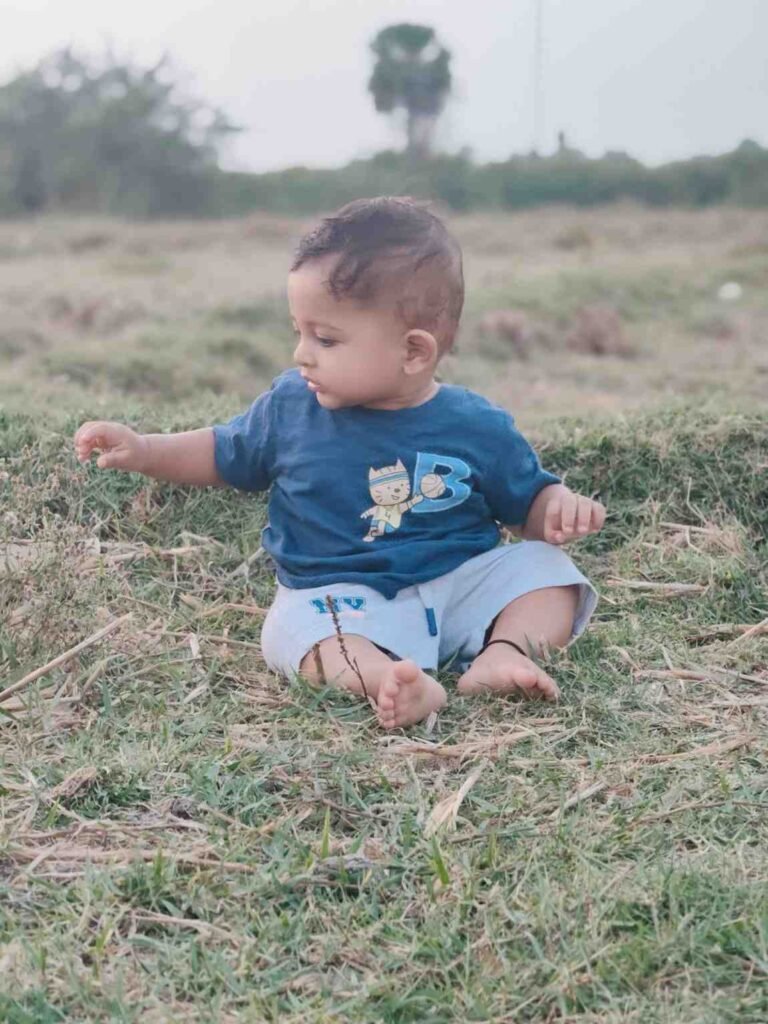
When I first noticed this with Eeshaan, it wasn’t during some planned activity. It was him struggling with a spoon at lunch genuinely frustrated, brow furrowed, determined. Then literally five minutes later, attempting to scale the sofa like it was Everest.
Two completely different muscle systems. Both firing at once. Both figuring themselves out in real time.
These milestones might look ordinary from the outside. But understanding what’s actually happening and knowing a few simple ways to support it can make a real difference in your child’s confidence and independence over time.
What Are Motor Skills, Anyway?
Motor skills are simply how the brain and muscles work together to make movement happen. Every time your child reaches for something, kicks a ball, or carefully turns a page that’s a motor skill at work.
They fall into two categories:
- Fine Motor Skills small, precise movements using the hands, fingers, and wrists.
- Gross Motor Skills bigger, whole-body movements powered by the arms, legs, and core.
A good way to think about it fine motor is what happens when your child’s brain says do something precise. Gross motor is what happens when it says go.
Fine Motor Skills Examples
Fine motor skills are all about control the small muscles in the hands and fingers learning to do precise things. Here’s what that looks like in real life:
- Holding a crayon or pencil
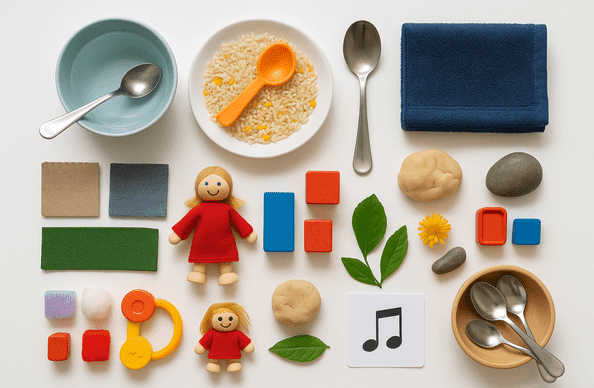
- Using a spoon or fork at mealtimes
- Buttoning or unbuttoning clothes
- Turning the pages of a book one at a time
- Picking up small objects like beads or coins
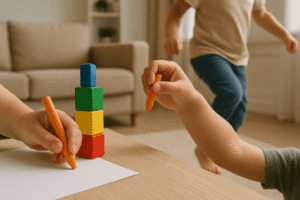
- Stacking blocks without knocking them over
- Threading beads onto a string
- Using safety scissors to cut paper
Why it matters: every one of these feeds directly into writing, drawing, dressing, and self-feeding. It’s the difference between your child needing you for everything and the moment they look up and say I’ll do it. We actually cheered the first time he did it on his own. Ridiculous, probably. But you’ll get it when it happens.
Gross Motor Skills Examples
Gross motor skills are the bigger, more visible stuff. The movements you can see from across the yard:
- Crawling, walking, and running
- Jumping, hopping, and skipping
- Throwing, catching, or kicking a ball
- Climbing stairs or playground equipment
- Balancing on one foot
- Riding a tricycle or bike
- Dancing, marching, spinning in circles until dizzy
Why it matters: gross motor skills are how kids explore their world. A kid who feels confident in their body takes on challenges differently not just on the playground, but everywhere else too.
How Fine and Gross Motor Skills Work Together
Here’s the thing they rarely show up separately in real life. Kids use both at the same time, constantly, without thinking about it.
- Playing catch uses gross motor to throw and fine motor to adjust the grip.
- Building a Lego tower uses fine motor for placing the pieces and gross motor to hold their body steady.
- Climbing a slide ladder takes gross motor strength to get up and fine motor control to grip each rung.
Kids don’t think about any of this. They’re just playing. The development is happening in the background whether you planned for it or not.
Everyday Activities to Boost Motor Skills
You don’t need special equipment or a Pinterest-worthy setup. Everyday life is genuinely full of opportunities if you know where to look.
For Fine Motor Skills:
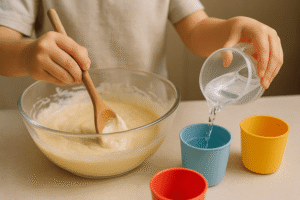
- Let them stir batter or pour water between cups real tasks, real concentration.
- Crayons, playdough, stickers any art time counts and more than you’d think.
- Simple games like picking up coins or threading dry pasta onto a piece of string.
For Gross Motor Skills:
- Backyard races, hopscotch, anything that gets them moving with purpose.
- Walks where you jump over cracks or balance along a curb kids love rules like that.
- Playgrounds for climbing, swinging, and sliding genuinely irreplaceable for this age.
None of this needs to look Instagram-worthy. Some days it’s five minutes before dinner. That still counts.
| Age | Fine Motor Milestone | Gross Motor Milestone |
|---|---|---|
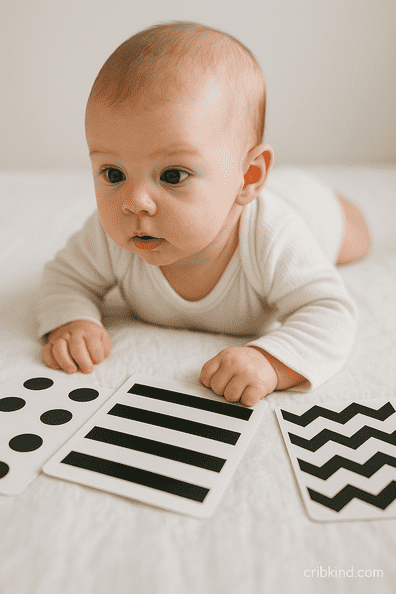
| 2–4 months | Bringing hands together, beginning to grasp a toy placed in hand | Lifting head and chest during tummy time |
| 12 months | Using a pincer grasp thumb and forefinger to pick up small objects | Pulling up to stand and cruising along furniture |
| 2–3 years | Turning book pages one at a time, stacking small blocks | Jumping with both feet, starting to run more smoothly |
| 4–5 years | Using safety scissors, drawing recognizable simple shapes | Hopping on one foot, skipping short distances |
3 Signs Your Child May Need Extra Support
Every child develops at their own pace and I mean that genuinely, not just as a reassurance line. But there are a few patterns worth flagging with your pediatrician if you notice them consistently over time, not just once or twice on a rough day.
Asymmetry
Your toddler consistently avoids one hand or strongly favors one side of the body during play and daily tasks. Occasional preference is normal. A strong, persistent pattern is worth mentioning.
Significant delays
Major milestones like crawling, standing, or walking are delayed by several months compared to typical ranges. If it feels off, it usually is worth a conversation.
Ongoing difficulty with fine motor tasks
Holding a spoon, using a crayon, or managing simple dressing tasks is still unusually hard after age 4. Not a bad day a consistent pattern.
Worth knowing: According to the CDC, about 1 in 6 children aged 3 to 17 has some form of developmental delay or disability.
FAQs About Fine and Gross Motor Skills
What are 5 examples of fine motor skills?
Holding a crayon, buttoning a shirt, picking up small objects, using scissors, and stacking blocks. These are the movements that seem small until your child suddenly can’t do something their classmates can then they feel enormous.
What is an example of a skill that uses both fine and gross motor?
Basketball is a good one. Running and jumping are gross motor. Catching and dribbling adjusting your fingers around the ball in half a second — that’s fine motor. Most sports mix both constantly without kids ever realizing it.
What are fine and gross motor skills for infants?
For infants, fine motor shows up as grasping a finger, reaching for a toy, and bringing hands to the mouth. Gross motor is rolling over, lifting the head during tummy time, and eventually sitting without support. All of it starts earlier than most people expect and a lot of it happens during play you don’t even plan.
What fine motor skills should 2 month old have?
At 2 months, it’s mostly just beginning. Your baby might briefly grip a rattle if placed in their hand, or open and close their fists on their own. Small. But watch what Eeshaan did with that spoon six months later.