When can infant sleep on tummy? A Real Parent’s Guide
The night Vihaan rolled onto his tummy for the first time, I didn’t sleep at all. I kept checking the monitor every 15 minutes, heart racing, wondering if I should flip him back or just leave him. If you’ve been there or you’re about to be this post is for you.
So when exactly can an infant sleep on their tummy? The honest answer: not until they can roll both ways on their own. But there’s a lot more to it than that and the details matter more than most posts will tell you.
The American Academy of Pediatrics (AAP) is very clear: always place your baby on their back to sleep for every nap and every night for the entire first year of life. This applies whether you’re at home, at grandma’s, or at daycare.
Back sleeping reduces three specific risks:
- SIDS (Sudden Infant Death Syndrome) the unexplained death of a healthy baby under 1 year, which is significantly more common in tummy sleepers
- Airway blockage young babies don’t have the neck strength to lift or turn their head if their face presses into a surface
- CO₂ rebreathing face-down babies can rebreathe exhaled air, especially on soft surfaces
When Can an Infant Sleep on Tummy The Real Milestone
Forget the age. The milestone that actually matters is this: your baby must be able to roll from back to tummy AND from tummy to back, on their own, consistently.
Most babies reach this around 5 to 6 months, but Eeshan and Vihaan were different from each other. Eeshan hit the rolling milestone closer to 5 months. Vihaan took until almost 7 months before he was reliably rolling both ways. Both were completely normal every baby develops at their own pace.
Here’s the milestone breakdown parents actually need:
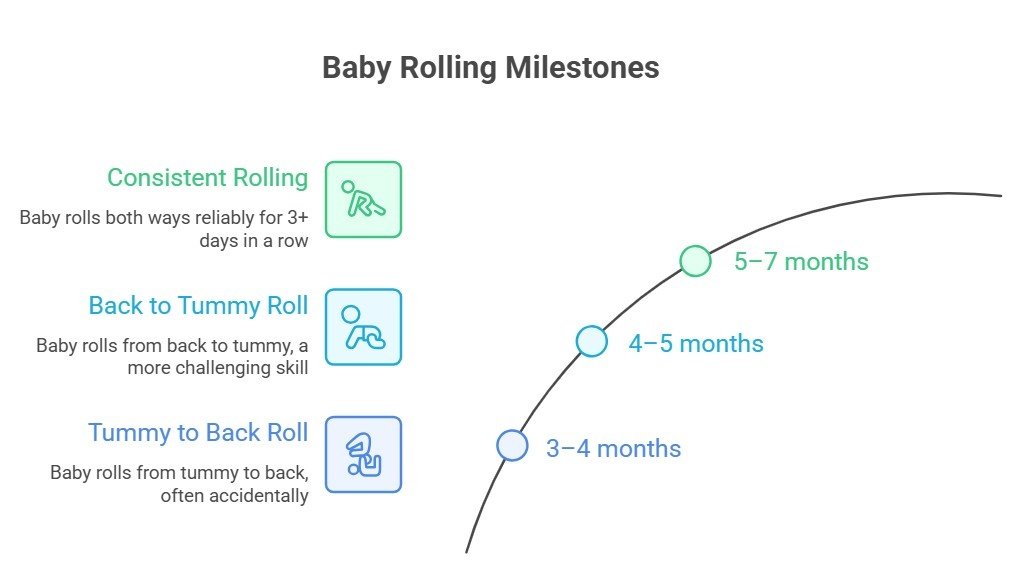
| Milestone | Typical Age | What Most Parents Miss |
|---|---|---|
| Rolls tummy → back | 3–4 months | Often happens by accident first doesn’t count as “ready” yet |
| Rolls back → tummy | 4–5 months | This is the harder direction wait for this one specifically |
| Rolls both ways consistently | 5–7 months | Needs 3+ days in a row to be reliable one lucky roll isn’t enough |
Until your baby hits that “both ways, consistently” stage always start every sleep on their back. Even if they look uncomfortable. Even if they seem to sleep better on their tummy. The back-sleep rule doesn’t have exceptions.
What If Your Sleeping Infant Rolls onto Their Tummy During the Night?
This is the 3am panic moment that nearly every parent goes through. Here’s the clear answer: if your baby rolled there on their own, you do not need to flip them back.
The logic is simple. If they have the strength and coordination to roll onto their tummy, their body has what it needs to handle being there. That’s the whole point of waiting for the rolling milestone.
With Vihaan, there was about a week where he could roll back-to-tummy but couldn’t get back the other way yet. That in-between phase is the tricky part. During that window, we would gently reposition him if we found him face-down because he couldn’t get himself out of that position independently. Once he was rolling both ways reliably, we stopped flipping him and just let him find his own comfortable spot.
Three things to do once your baby starts rolling:
- Stop swaddling immediately. A swaddled baby who rolls onto their tummy cannot push themselves up that’s dangerous. Arms need to be free.
- Keep putting them down on their back. Even after they can roll, always start sleep on the back. Let them choose their position from there.
- Clear the crib completely. No pillows, positioners, bumpers, or loose blankets. Just a firm flat mattress with a fitted sheet.
Can a Newborn Sleep on Their Tummy? (Short Answer: No)
Newborns have almost zero neck muscle control. They physically cannot lift or turn their head if their face presses into a surface. The SIDS risk is highest in the first 6 months of life, peaking between 1 to 4 months of age.
Even if your newborn sleeps longer on their tummy, even if they seem more comfortable it is not safe. I know it’s hard to watch your baby fuss on their back. With Vihaan, the first few weeks meant shorter stretches and more wake-ups on his back. But there are safer ways to help a newborn sleep better a solid swaddle, white noise, and a pacifier at sleep time (which the AAP actually recommends to reduce SIDS risk) without putting them in a dangerous position.
Tummy Time vs. Tummy Sleep Not the Same Thing
This trips up a lot of new parents. Tummy time is not only safe from day one it’s actively encouraged by the AAP. The difference is supervision and wakefulness.
| Tummy Time | Tummy Sleep | |
|---|---|---|
| When | Awake, fully supervised | During naps or nighttime |
| Safe from birth? | ✅ Yes, from Day 1 | ❌ Not until rolling both ways independently |
| Daily goal | Build to 30 min/day by 7 weeks | Baby-led once milestone is met |
| Purpose | Builds neck, shoulder, core strength | Sleep rest |
Here’s the full-circle part: tummy time builds the exact strength your baby needs to roll both ways which is the milestone that makes tummy sleeping safe. The more consistent you are with tummy time from birth, the sooner your baby develops the control that eventually gives them the green light.
We started tummy time with Vihaan on a folded muslin cloth on the floor from week two. Just 2–3 minutes at a time, a couple of times a day. He hated it for the first month. By 3 months he was pushing up on his arms and turning his head confidently in both directions.
Safe Sleep ABCs What Every US Parent Should Know
The AAP’s framework for infant safe sleep is built around three simple rules:
- A Alone: No pillows, stuffed animals, bumpers, positioners, or loose blankets in the sleep space
- B Back: Every sleep starts on the back naps and nights included
- C Crib: A firm, flat surface with only a fitted sheet no inclined sleepers, no rockers, no bouncers for regular sleep
These rules apply for the full first year of life not just the newborn stage. Even once your baby can roll, you still follow A and C. Only B changes because your baby gets to decide their sleep position once they can roll safely.
Safe Sleep Quick Reference by Age
| Baby’s Age | Sleep Position | Tummy Time? | Swaddle? |
|---|---|---|---|
| 0–3 months | Back only always | ✅ Yes, supervised while awake | ✅ Yes, arms tucked in |
| 3–5 months | Back only always | ✅ Yes, increasing duration | ⚠️ Stop if rolling starts |
| 5–7 months | Back to start baby chooses after | ✅ Yes, encourage daily | ❌ No arms must be free |
| 7–12 months | Baby chooses own position | ✅ Yes, make it playtime | ❌ No |
Frequently Asked Questions
When can infant sleep on tummy?
Once your baby can roll both ways back to tummy and tummy to back on their own, consistently. This typically happens between 5–7 months, but follow your baby’s individual milestone, not a strict calendar date.
Can infants sleep on their tummy before they can roll?
No. Placing an infant on their tummy to sleep before they can roll independently significantly increases SIDS risk. Always start sleep on the back until the rolling milestone is fully established.
My infant sleeping on tummy can’t roll back what do I do?
Gently reposition them onto their back. This is common in the early rolling phase when babies can go one direction but not the other yet. Once they can roll both ways reliably for several days in a row, you can stop repositioning.
Is a sleeping infant on tummy okay during naps if I’m watching?
Supervision helps, but it doesn’t eliminate risk. The AAP back-sleep recommendation applies to all sleep day or night regardless of supervision, until your baby can roll independently.
My baby sleeps so much better on their tummy what should I do?
It’s incredibly common and genuinely hard. Vihaan slept longer on his tummy too in those early weeks. A firm swaddle, white noise, and a pacifier can help get better stretches on the back. It gets better hang in there.
What if my baby was accidentally placed on tummy to sleep once?
One mistake doesn’t automatically mean danger but do reposition them as soon as you notice, and go back to consistent back-sleeping going forward. If you’re concerned, contact your pediatrician.
The Bottom Line
Tummy sleeping is not forever off-limits it just needs to wait for the right milestone. Place your baby on their back for every sleep, do tummy time every day while they’re awake, and watch for the day they start rolling both ways on their own. That’s your green light.
When in doubt, your baby’s pediatrician is always the best person to ask. Every baby develops at their own pace and yours will get there.
Was this helpful? Save it for those middle-of-the-night moments, and share it with a parent who needs it right now. 💛