
Baby Grinding Teeth: Causes, Signs and Solutions
You’re lying in bed, finally getting some sleep, and then you hear it. That unmistakable crunching, scraping sound coming from the crib or toddler bed across the room. Your baby is grinding their teeth. And once you’ve heard it, it’s almost impossible not to lie there wondering if something is wrong.

The short answer is that baby teeth grinding is incredibly common and most of the time it’s not a sign of anything serious. But “most of the time” isn’t the same as “always fine,” so it’s worth understanding what’s actually going on, what might be causing it in your specific child, and at what point it becomes something to bring up with a dentist.
Why Do Babies Grind Their Teeth?
The medical term is bruxism, but knowing that doesn’t really help you sleep better at night. What might help is knowing that babies grind their teeth for reasons that have nothing to do with bad parenting or something being wrong with their development.
The most common reason babies and toddlers grind is simply that they’re getting new teeth. When a baby is grinding new teeth that are coming in, they’re often responding to the pressure and discomfort of eruption. The gums feel sore, the bite feels different, and grinding seems to give some relief. It’s a sensory thing more than anything else. Most babies go through a phase of it when their first teeth come in and again when their molars start emerging around 12 to 18 months.
Beyond teething, stress and overstimulation are real triggers, even in very young children. A change in routine, a new sibling, starting daycare, or even just an exciting or overwhelming day can carry over into nighttime grinding. Babies process a lot while they sleep and their jaws apparently come along for the ride.
Some research also points to airway issues. Babies who breathe through their mouths, have enlarged tonsils, or deal with congestion regularly are more likely to grind at night. The grinding may be the body’s way of repositioning the jaw to open the airway slightly. It’s not something parents usually think of, but it’s worth knowing about, especially if your baby snores or seems like a restless, noisy sleeper in general.
Pain from ear infections can also cause grinding. The nerves around the ears and jaw are closely connected, and a baby who can’t tell you their ear hurts might clench and grind instead.
Is Baby Teeth Grinding Actually Harmful?
In most cases, no. Baby teeth are temporary. Even if your child grinds through a phase that leaves some wear on the enamel, those teeth are going to fall out anyway. The permanent teeth forming underneath are not affected by what’s happening on the surface of the baby teeth above them.
That said, there are situations where grinding does cause problems. Heavy, chronic grinding can wear down the enamel enough to cause sensitivity and pain. It can occasionally chip a tooth. And in some kids, regular jaw tension from grinding contributes to headaches or jaw soreness, though this is much more of a concern in older children and adults than in babies and toddlers.
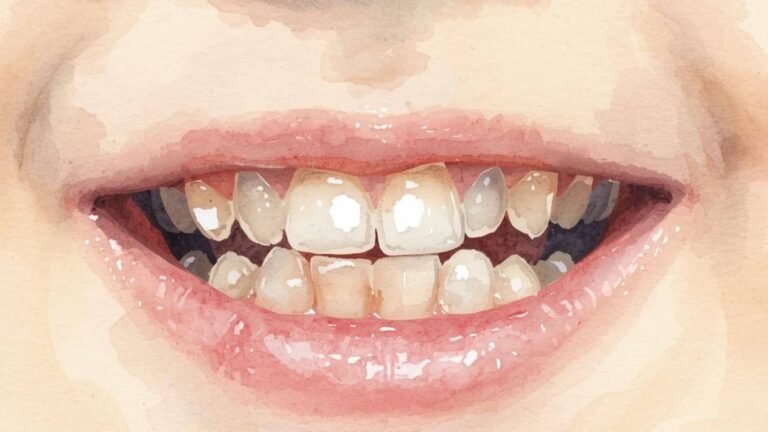
If your baby seems bothered by their teeth, flinches when eating something cold or sweet, or you can visibly see that the teeth are getting shorter or flatter, those are signs worth bringing up with your pediatric dentist.
Why Is My Baby Grinding His Teeth at Night Specifically?
Nighttime grinding is way more common than daytime grinding in babies, and there’s a pretty straightforward reason for it. During the day, we swallow constantly. That regular swallowing motion keeps the jaw moving in a normal pattern and interrupts grinding before it really gets going. At night, swallowing slows way down during deep sleep, so there’s nothing to break the cycle if the jaw starts clenching.
It also happens to be when the body does a lot of its processing, both physically and neurologically. Teeth that are actively erupting can be more uncomfortable at night when there’s no distraction. Stress or sensory overload from the day tends to surface during sleep. All of this makes nighttime the prime window for bruxism in babies.
How to Stop Baby from Grinding Teeth
Here’s the honest part: you can’t always stop it, and that’s okay. If the grinding is teething-related, it will taper off once those teeth have fully come in. If it’s stress-related, it usually passes as the child adjusts to whatever triggered it. Most babies outgrow infant teeth grinding entirely by the time they’re 6 or 7, once the permanent teeth start coming in.
But there are things you can do to reduce it and address the possible causes.
Chilled (not frozen) teething toys:
If teething seems to be the trigger, a chilled (not frozen) teething toy before bed can take the edge off the gum discomfort that’s driving the grinding. Some parents find that gently massaging the gums with a clean finger before bedtime helps settle things down for the night.

If the grinding seems tied to a busy or stressful day, a calmer wind-down routine can make a real difference. Less screen time in the hour before bed, a warm bath, some quiet time together. It sounds simple because it is, but it works for a lot of families.
For babies who are mouth breathers or seem congested often, talk to your pediatrician. Treating the underlying nasal congestion or getting a referral to check the airway can sometimes resolve the grinding entirely. It’s not a connection most parents make on their own, which is why it’s worth mentioning.
How to Stop Baby Grinding Teeth During the Day
Daytime grinding is less common but it does happen, usually in babies who are teething hard or going through a particularly stimulating stretch of development. If you notice your baby grinding during waking hours, the first thing to try is giving them something appropriate to chew on. A textured teether, a chilled washcloth, or even safe finger foods for older babies can redirect that jaw activity toward something useful.
Daytime grinding that seems constant, forceful, or that your baby does while concentrating or during certain activities is worth mentioning to your pediatrician. In some cases, it can be linked to sensory processing differences, and early awareness of that is genuinely helpful.
When to Talk to a Dentist About Baby Teeth Grinding
Most pediatric dentists will tell you that occasional teeth grinding in babies and toddlers is normal and doesn’t require treatment. But there are specific situations where you should bring it up rather than waiting.
Schedule a conversation with your pediatric dentist if your baby’s teeth look visibly worn down or shorter than they used to be, if your baby seems to be in pain around their jaw or teeth, if the grinding is happening constantly rather than occasionally, or if it’s been going on for more than a few months with no signs of tapering off.
For very young children, a dentist visit doesn’t mean putting a night guard on a baby’s teeth. It means getting a professional look at the wear, ruling out any structural or bite issues, and making sure everything developing underneath is on track. The American Academy of Pediatric Dentistry recommends dental visits every six months starting by age 1, and grinding is exactly the kind of thing worth bringing up at those regular checkups.
| Possible Cause | Common Age | What to Do |
|---|---|---|
| Teething / New Teeth Coming In | 6 months to 2 years | Chilled teether before bed, gentle gum massage |
| Stress or Overstimulation | Any age | Calmer bedtime routine, reduce screen time before bed |
| Airway or Breathing Issues | Any age | Talk to pediatrician, check for congestion or enlarged tonsils |
| Ear Infection Pain | 6 months to 3 years | Watch for other ear infection signs, see pediatrician |
| Bite Alignment | 12 months and up | Mention at next dental visit |
| Sensory Processing | Any age | Note patterns, discuss with pediatrician if frequent |
Frequently Asked Questions
Is it normal for babies to grind their teeth?
Very. Studies suggest that somewhere between 14 and 20 percent of children grind their teeth at some point, and infant teeth grinding tends to peak in toddlerhood when so much is happening developmentally at once. If your baby just started grinding, you are almost certainly not the only parent lying awake listening to it tonight.
Will baby teeth grinding damage permanent teeth?
No, not directly. Baby teeth and the permanent teeth developing underneath them are separate. What grinding can do is wear down the surface of the baby teeth themselves, which occasionally causes sensitivity. If the wear looks significant at a dental visit, your dentist will tell you and can monitor it going forward.
My baby only grinds their teeth at night. Should I be worried?
Nighttime is actually when most babies grind, so this is the most typical pattern. Swallowing slows during sleep, teething discomfort can feel more intense without daytime distraction, and anything emotionally heavy from the day tends to surface at night. Occasional nighttime grinding with no pain or visible wear is usually nothing to lose sleep over.
How long does teeth grinding last in babies?
For most babies, a grinding phase lasts a few weeks to a couple of months and then fades on its own once the teeth that were coming in have settled. If it persists well past the teething phase or keeps coming back, it’s worth tracking whether there’s a pattern, like more grinding during stressful weeks, and mentioning it to your pediatrician or dentist.
Just a heads up: this post is meant to give you a solid starting point for understanding what’s going on, not to replace a conversation with your child’s doctor or dentist. If something about your baby’s grinding feels off to you, trust that instinct. You know your kid. A quick call to your pediatrician is always a reasonable move.
One Comment