9 Best Learning Toys for 3 Year Olds
Three is a strange age for toy shopping. A child is done with baby toys but not ready for the building sets and logic games that hold a four or five year old’s attention. Search “learning toys for 3 year olds” and half the results are toddler leftovers with a new age sticker, and the other half are aimed at kids a year or two further along. After years of watching which toys actually land in that specific window, a shorter and more useful list emerged than the toy aisle would suggest.
Why three year olds need a different kind of learning toy
A two year old is still mostly exploring cause and effect. A four year old wants an actual puzzle to solve. Three year olds sit in between, deep into pretend play and just starting to grasp early counting, sorting, and simple sequences, but without the patience yet for a multi-step logic challenge.
Most toys marketed as learning toys for 3 year olds fall into one of two traps: either they are toddler toys with the age range bumped up on the packaging, or they are early elementary toys aimed at a child a year or two older. The toys that actually work for this age respect where three year olds really are developmentally, not where the marketing wants them to be.
The National Association for the Education of Young Children notes that pretend play is one of the primary ways children this age process the world, which is exactly why toys for 3 year olds learning through imaginative play tend to outperform toys built around a single right answer.
What actually separates a good learning toy for this age from an outgrown one
- Room for pretend play. A toy that only has one correct use gets outgrown fast at three, when imagination is doing most of the learning.
- Early counting or sorting built in. Not flashcards, but a natural reason to count, match, or sort during play.
- Fine motor practice without frustration. Three year old hands are more capable than a toddler’s but still developing. A toy that is too fiddly gets abandoned.
Pretend play and imagination toys
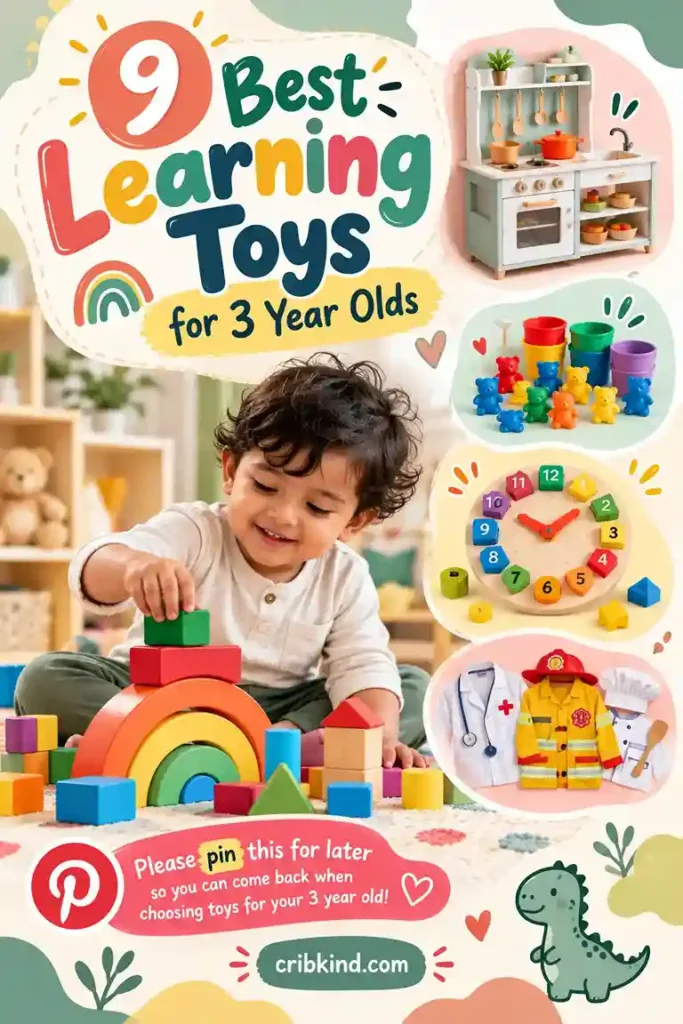
Little Tikes Cook ‘n Grow Kitchen: Best pretend play kitchen
A kitchen playset with sounds, a growing storage design, and enough included accessories to sustain real pretend cooking scenarios. This is consistently the toy that turns into the longest, most elaborate pretend play sessions in a group of 3 year olds, often pulling in siblings and classmates into a shared scenario.
Honest downside: it is large and takes up a genuinely significant amount of floor or corner space. Measure before buying.
Best dress up and role play set: Melissa & Doug Role Play Costume Set
A set of career-themed costumes, doctor, chef, firefighter, meant for quick imaginative play without a full elaborate scene. Three year olds tend to cycle through roles fast, and having several costume options in one set keeps that cycling going without constant adult involvement.
Honest downside: fabric costumes do not hold up to rough daily play as long as the plastic accessories do. Expect some fraying by the end of a school year.
Early counting and sorting toys
Learning Resources Counting Bears with Sorting Cups
Colorful bear counters that sort into color-matched cups, with counting, sorting, and pattern activities built into the same simple set. This is one of the best learning toys for 3 year olds specifically because it works as pure sensory play at first and grows into real early math practice without needing a new toy.
Honest downside: the bears are small enough to be a genuine choking hazard, so this one needs supervision if a younger sibling is around.
Melissa & Doug Shape Sorting Clock:Best shape and color sorter
A wooden clock face where colored shape pieces fit into matching openings, doubling as an early introduction to numbers and clock faces. Three year olds treat this mostly as a straightforward shape sorter at first, then start noticing the numbers around the edge on their own within a few weeks.
Honest downside: once a child memorizes where each shape goes, the sorting challenge is largely gone, similar to most fixed shape sorters at this age.
Building and fine motor toys
Best building set for this age: LEGO Duplo Classic Brick Box
Larger format bricks sized specifically for younger hands, without the choking risk or fine motor demands of standard LEGO bricks. This is the right building toy for this specific window, since three year olds get real building satisfaction without the frustration of pieces too small to manage confidently.
Honest downside: Duplo and standard LEGO bricks are not interchangeable, so this becomes a separate collection rather than an upgrade path from other building toys already in the house.
Best fine motor tool set: Melissa & Doug Wooden Take-Along Tool Kit
A pretend tool set with a screwdriver, wrench, and bolts that actually twist and turn, blending fine motor practice with pretend play in a way a plain puzzle cannot. It holds attention longer than most fine motor toys at this age specifically because there is a pretend fix-it scenario built around the actual motor task.
Honest downside: the small bolts and nuts are another set of choking-hazard-sized pieces, so this needs the same supervision as any small parts toy.
Best chunky puzzle: Melissa & Doug Wooden Vehicles Puzzle Set
Chunky wooden puzzle pieces with knobs for easy grip, sized for hands that are past toddler puzzles but not ready for small, flat jigsaw-style pieces. This bridges the gap well, since it is genuinely challenging without causing the frustration a too-small piece creates.
Honest downside: once a three year old memorizes a chunky puzzle, which happens fast, it stops being much of a challenge. Expect to rotate these out within a couple of months.
Art and sensory learning toys
Best first art easel: Melissa & Doug Wooden Standing Easel
A double-sided easel with a chalkboard side and a dry-erase or paper side, giving a three year old open-ended art practice without needing constant adult setup. This one earns its space because it stays useful across a wide age range, not just the year it was bought for.
Honest downside: it takes a permanent spot on the floor once assembled, since folding and unfolding it daily is not realistic for most families.
Best first board game: Hi Ho! Cherry-O
A simple counting-based board game where players pick fruit and count their progress toward a full basket. This is genuinely one of the best learning toys for 3 year olds looking for a first structured game, since the rules are simple enough for a three year old to actually follow through a full round.
Honest downside: games run short, often just a few minutes, so it does not hold up as a long solo activity the way some other toys on this list do.
The one that gets outgrown fastest
A battery-operated “smart” learning tablet toy shows up on nearly every learning-toys-for-3-year-olds gift list, and it consistently gets less use than anything else on this list. The scripted questions and canned responses do not leave room for the pretend play that actually holds a three year old’s attention, and most kids move past it within a few weeks of unwrapping it.
The pattern across everything that actually works for this age is the same: room for imagination, a natural reason to count or sort, and fine motor practice that does not frustrate. A toy missing all three, however “smart” the marketing sounds, tends to sit unused by month two.
Frequently asked questions about learning toys for 3 year olds
What are the best learning toys for 3 year olds?
Pretend play sets, early counting and sorting toys, chunky puzzles, and simple first board games tend to work best, since three year olds learn primarily through imaginative play and repetition rather than logic challenges.
What skills should toys for 3 year olds focus on?
Pretend play and imagination, early counting and sorting, and fine motor control through building and puzzles are the main skills that show up consistently at this age, more so than the letter recognition or early logic skills that matter more a year or two later.
Are learning toys for 3-4 year olds different from toys made specifically for 3 year olds?
The overlap is real, since many toys marketed for a 3 to 4 year old range work well for both ages, but a three year old still leans more heavily on pretend play, while a four year old is often ready for more structured building and logic activities.
How do I know if a toy is too advanced for a 3 year old?
Watch for frustration rather than engagement. A toy with pieces too small to grip confidently, or a challenge that requires several sequential steps to complete, often belongs to an older age group even if the box says otherwise.
Do 3 year olds need educational toys, or is pretend play enough?
Pretend play itself is doing real educational work at this age. A toy does not need a labeled “educational” purpose to be valuable, as long as it gives a child something to build, sort, count, or imagine through repeated play.
The kitchen playset is still out most afternoons, restocked with whatever pretend menu gets invented that day. The tablet that promised to teach counting, sorting, and letters all at once sits in a closet, mostly untouched since the second week. Three year olds, it turns out, were never really the problem the marketing assumed they were.
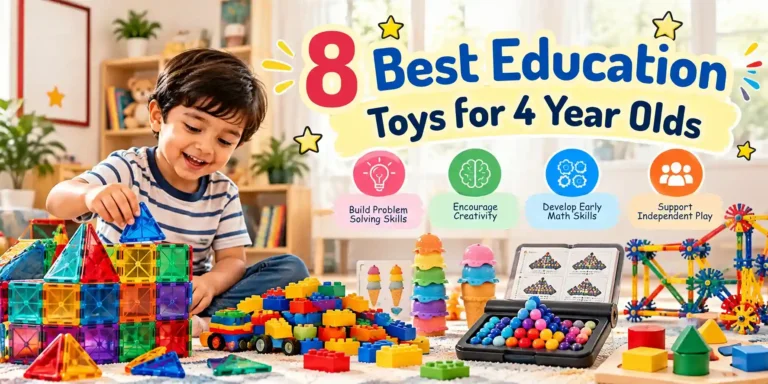
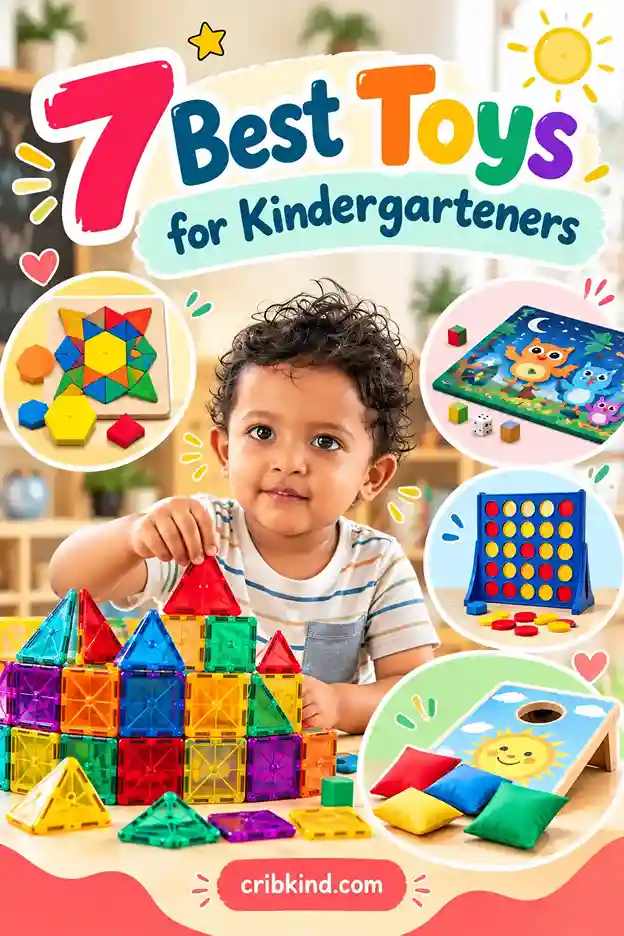
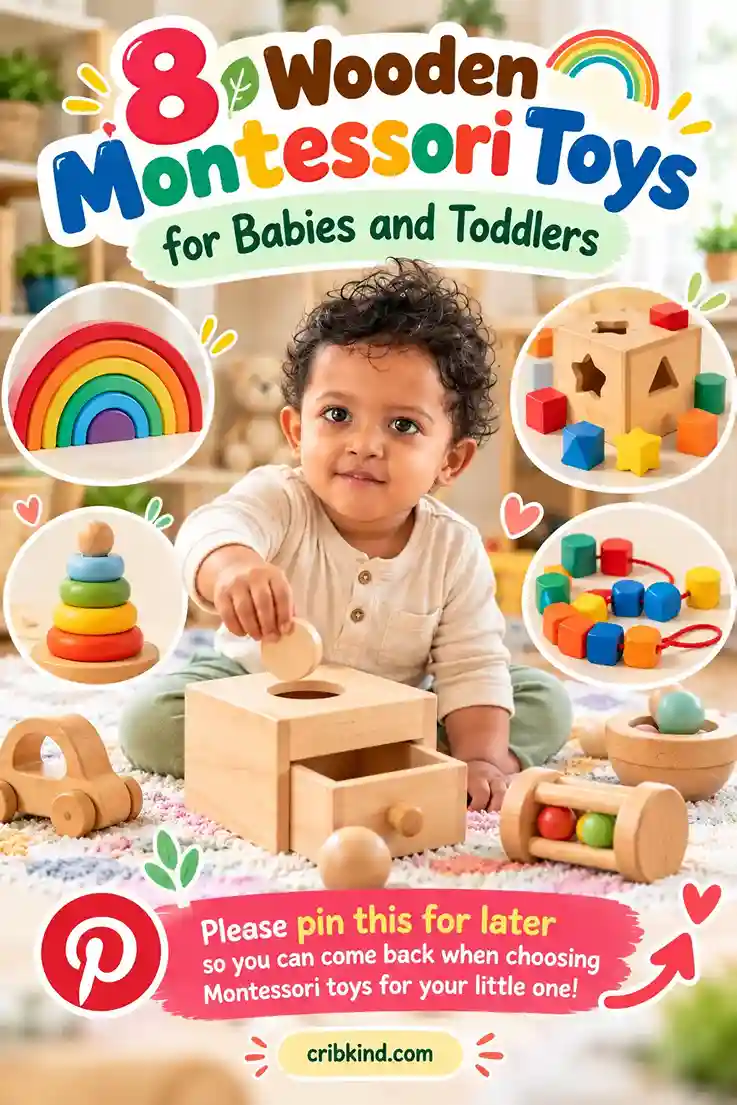
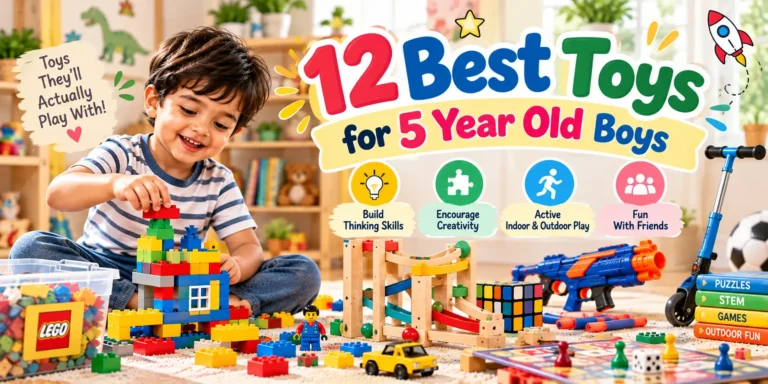
Related reading: educational toys for 4 year olds, good toys for kindergarteners, wooden montessori toys we tested, and toys for 5 year old boys.