Sensory Bottles: 25 Easy DIY Ideas for Kids
I thought sensory bottles were just another cute Pinterest craft. Then Eeshaan had one of those cranky, everything-is-too-much afternoons, and I grabbed a bottle full of glitter and water just to keep him busy.
He stopped. He stared. Then he shook it again. Honestly, I did too. If you’re looking for a simple, low-mess activity that can calm a toddler without turning your kitchen into a disaster zone, this is for you.
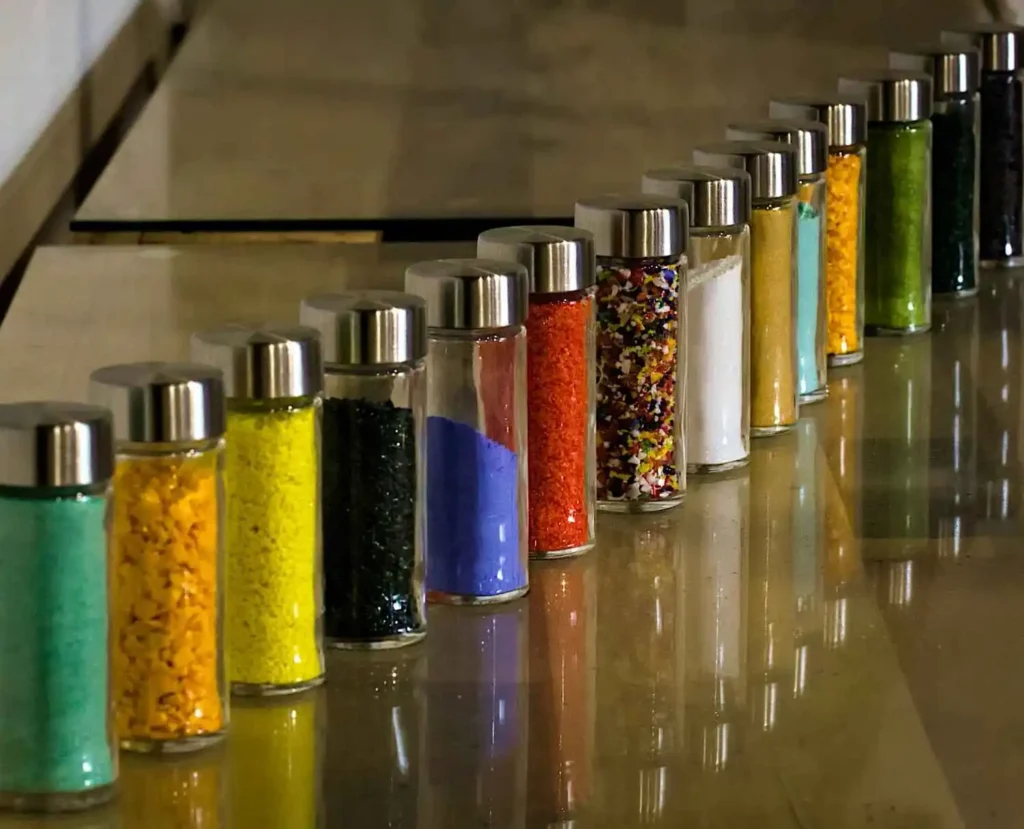
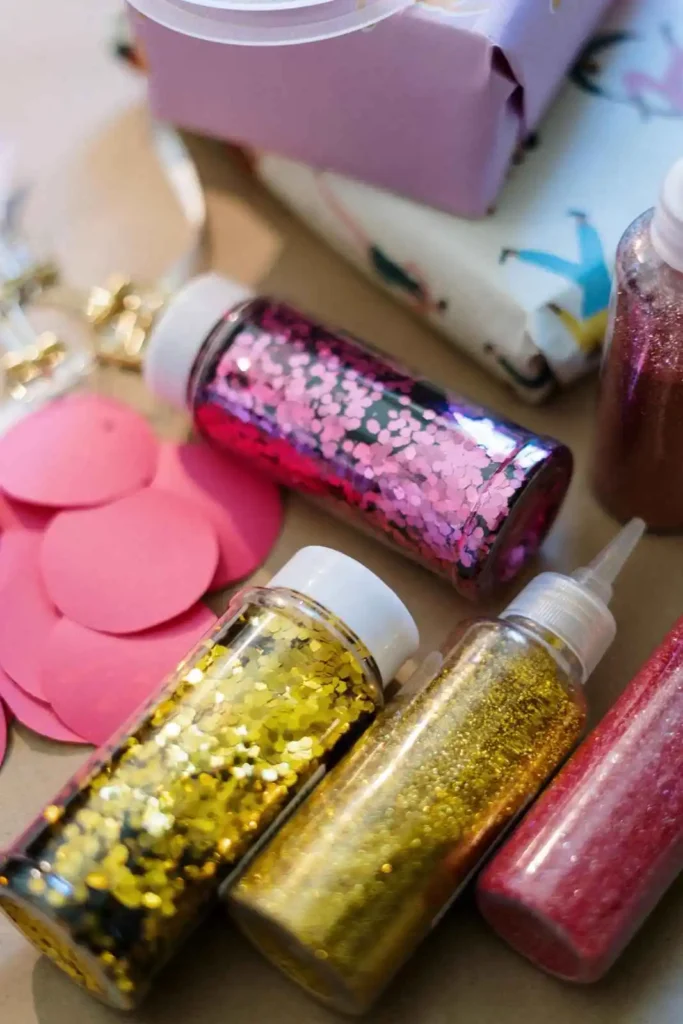
The first time I made one, I honestly expected Eeshaan to toss it aside in ten seconds. He didn’t. He sat there and shook it like it was the most important thing in the house.
- That’s really all a sensory bottle is. A clear bottle. A few simple materials. And movement that kids can keep watching without getting overloaded. Clear, sealed containers with water, oil, glitter, rice, beads, or other safe fillers. The good ones keep kids engaged without needing a big setup or expensive supplies.
- What I like about them is how simple they are. No app. No batteries. No giant mess. Just something a kid can hold, turn, and watch. That’s probably why they show up so often in parent blogs, preschool guides, and Pinterest posts.
Why do sensory bottles help?
Some days with little kids feel like everything is loud. The bottle gives them one thing to focus on. That was the part I didn’t expect.
- Sensory bottles can be calming and attentionngrabbing. That’s the main reason parents use them. Kids watch the glitter fall, the beads float, or the colors swirl, and their brains seem to slow down for a second. That tiny pause can be a big deal on a hard afternoon.
- For us, it worked best during transitions. Before nap. After daycare. While I was making dinner and trying not to lose my mind. It gave Eeshaan something steady to look at. And when he was in a mood, that helped more than I expected.
They’re also nice for quiet play. No pressure. No rules. Just watch and shake. Sometimes that’s enough.
What age are sensory bottles best for?
I used to think these were mostly for preschoolers. Not true. Babies, toddlers, and preschoolers can all use them, but the bottle has to match the age.
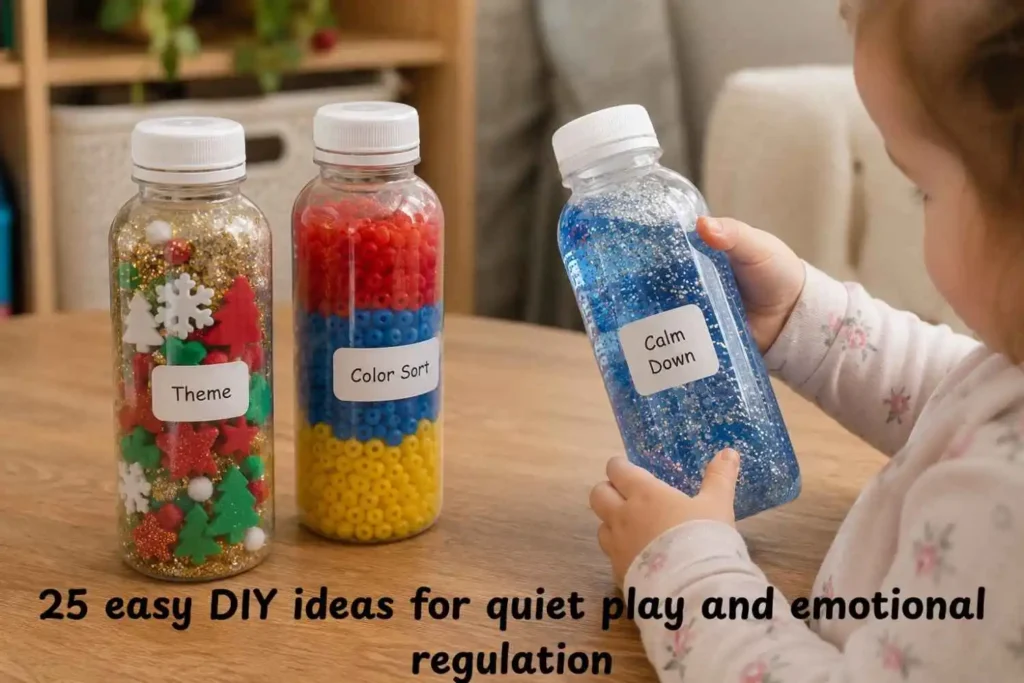
The age split matters a lot here. Babies need simple, fully sealed bottles. Toddlers can handle more color and movement. Preschoolers can do themed bottles and counting games. The big rule is safety first.
| Age | Typical use | Red flags |
|---|---|---|
| 6 to 12 months | High-contrast, fully sealed visual bottles | Loose small parts, weak lids |
| 12 to 24 months | Glitter, water, oil, rice, or foam bottles | Breakable containers, unsealed lids |
| 2 to 3 years | Themed bottles, color sorting, calm-down bottles | Small parts they can pry loose |
| What we saw with Eeshaan | He liked oil-and-water bottles best around toddler age | Too many tiny beads made him try to open it |
What I learned the hard way: if the bottle is too busy, my kid loses interest. If it’s too simple, he gets bored. The sweet spot is somewhere in the middle.
What should you put inside?
I made one bottle that looked amazing in my head and terrible in real life. Too much stuff. It just clumped together. Eeshaan looked at it like, “That’s it?”
- Keep the filler list practical: water, oil, glitter, rice, beads, pom-poms, confetti, shells, and foam. Those materials are easy to find and they move well.
- Some good fillers are: 1. Water and glitter. 2. Oil and water. 3.Rice and tiny foam shapes. 4. Pom poms. 5. Confetti. 6. Shells. 7.Glow in the dark bits for older kids.
- What I’d skip: Glass, Sharp items, Tiny loose parts for toddlers ,Anything that molds fast, Stuff that makes the bottle too heavy to hold.
How do you make a sensory bottle?
The good news: this is one of the easiest DIYs on the internet. Pick a clear plastic bottle. Fill it partway. Add your ingredients. Top it off with water, oil, or glue-water depending on the look you want. Close it tight. Seal the lid if needed.
25 easy sensory bottle ideas
This is the part I’d save for Pinterest. People want ideas they can actually make without hunting down five weird supplies from three different stores.
Each of these sensory bottles uses simple, safe materials and can be made quickly for calm-down time, quiet play, travel, or early learning at home.
1. Glitter calm sensory bottle
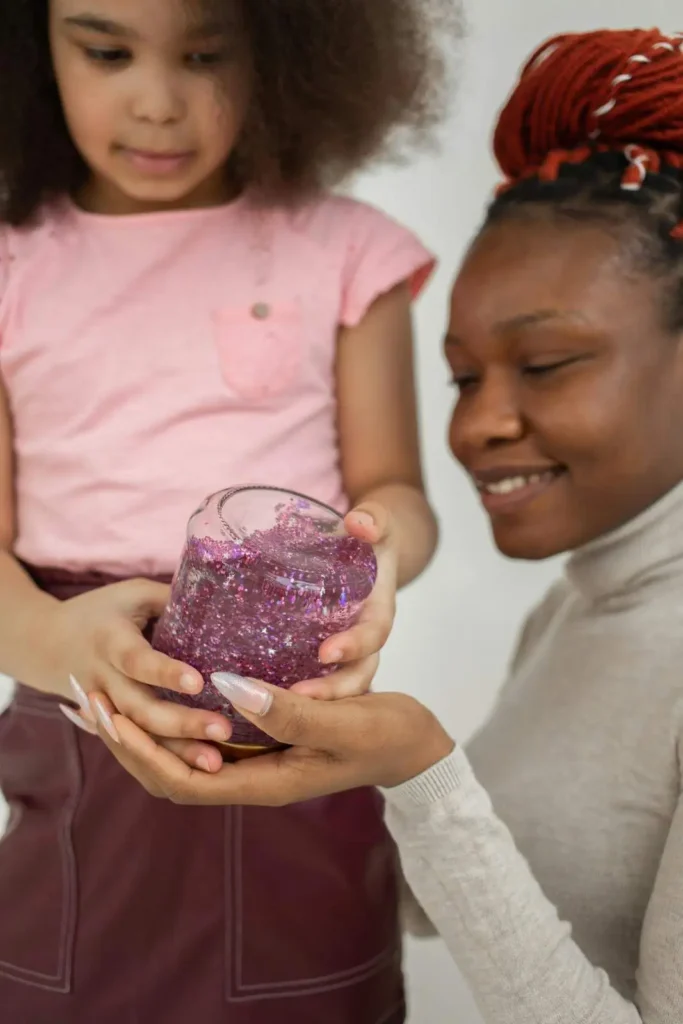
Fill a clear bottle with water, glitter, and a little clear glue to slow the movement. Kids can watch the glitter settle, which makes this a great calm-down bottle for toddlers during big feelings or transitions.
2. Ocean sensory bottle
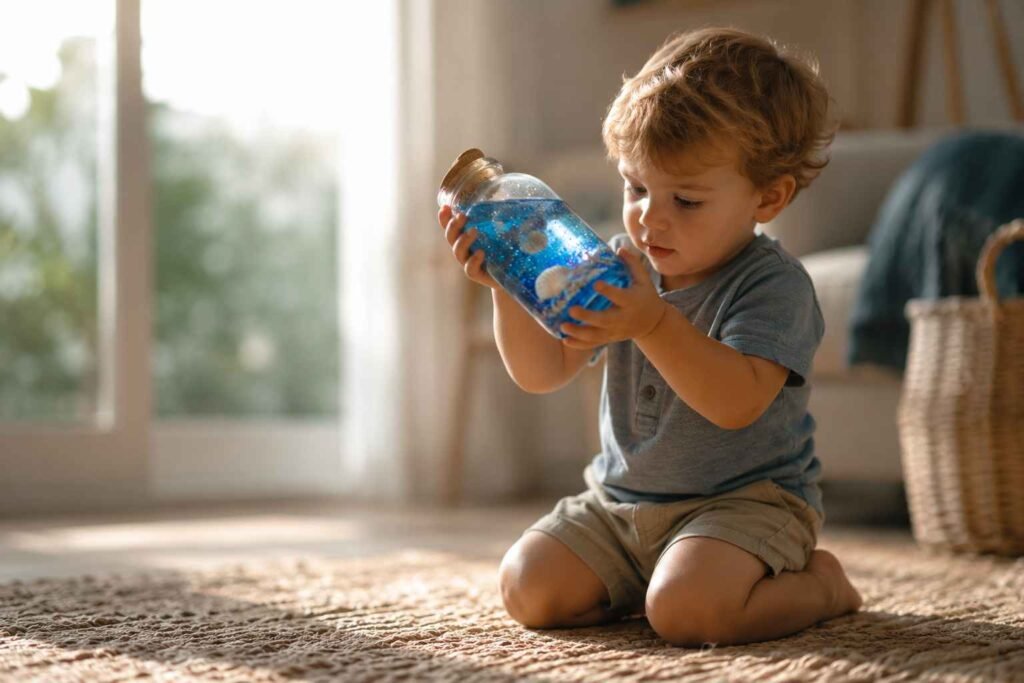
Create an ocean sensory bottle with blue water, glitter, shells, and tiny sea-themed pieces. It gives kids a fun under-the-sea look while supporting visual tracking and quiet sensory play.
3. Oil and water sensory bottle
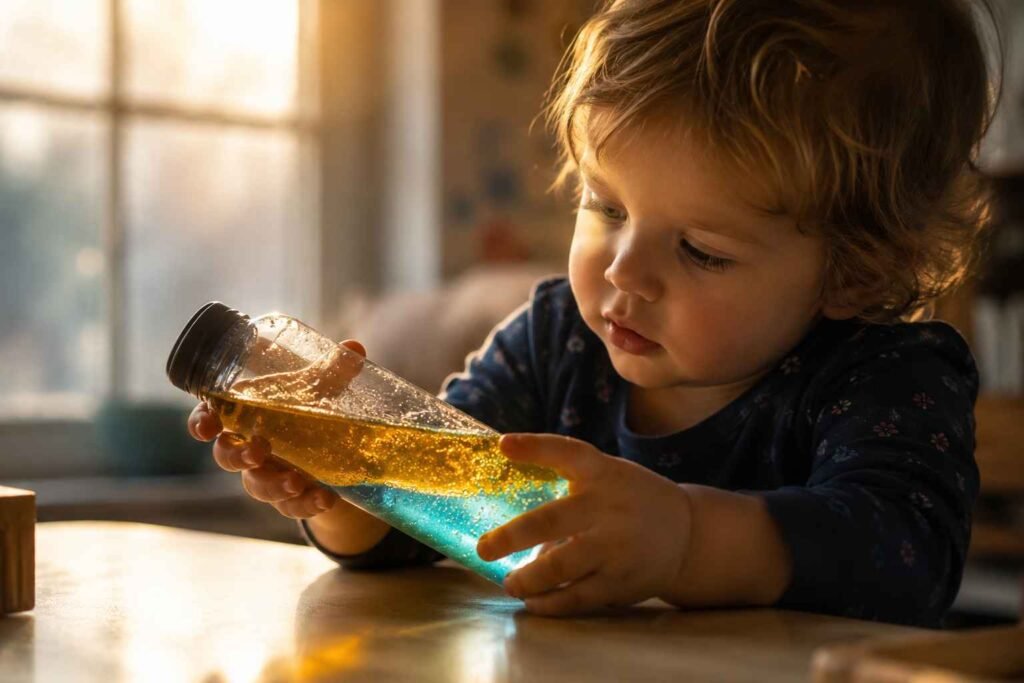
Use water, vegetable oil, and a few drops of food coloring to create a bottle with floating layers. The slow swirling motion is soothing to watch and works well for toddlers who enjoy movement-based sensory play.
4. Rainbow rice sensory bottle
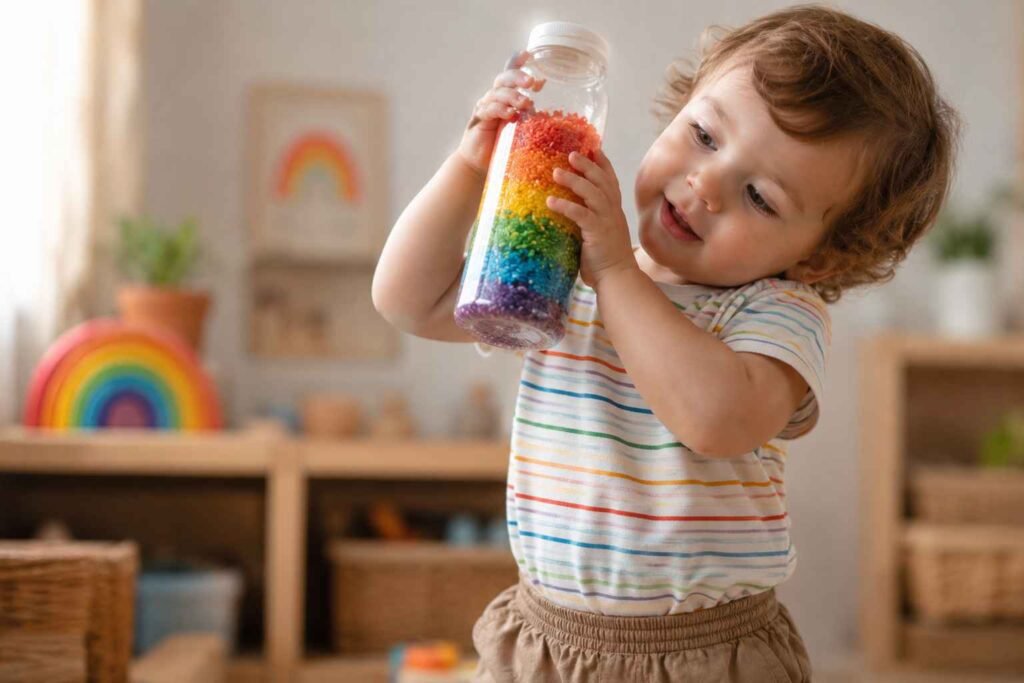
Fill the bottle with layers of colored rice to make a bright rainbow effect. This sensory bottle adds sound, color, and movement, which makes it fun for shaking, exploring, and learning colors.
5. Frozen water sensory bottle
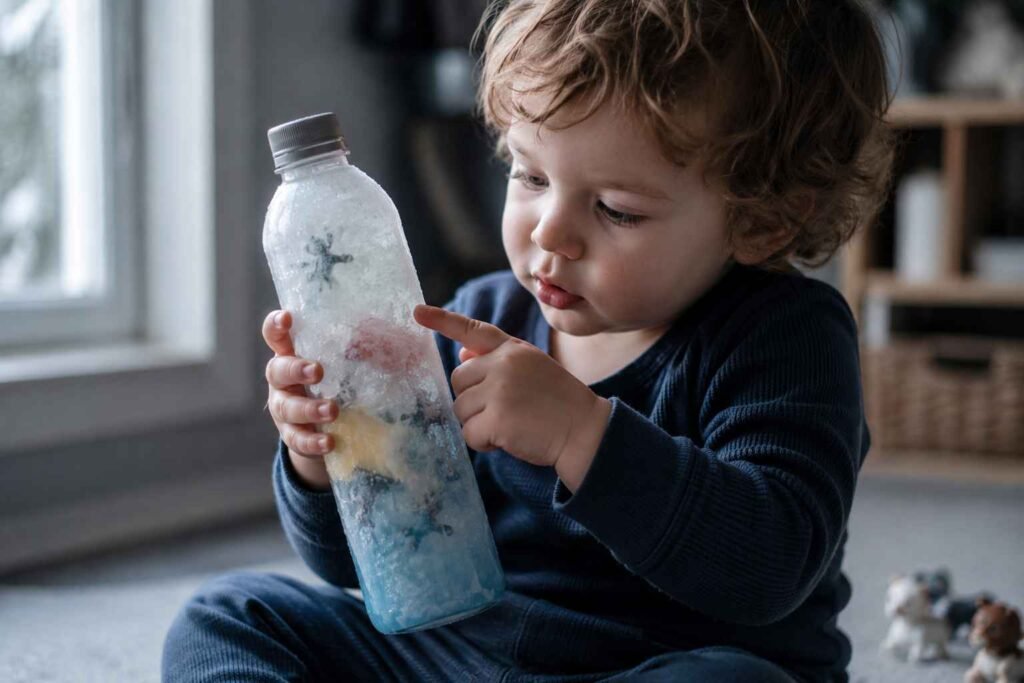
Freeze a partly filled bottle with colored water or small safe objects inside. It is a cool sensory activity for hot days and gives kids a different texture and temperature to explore.
6. Confetti sensory bottle
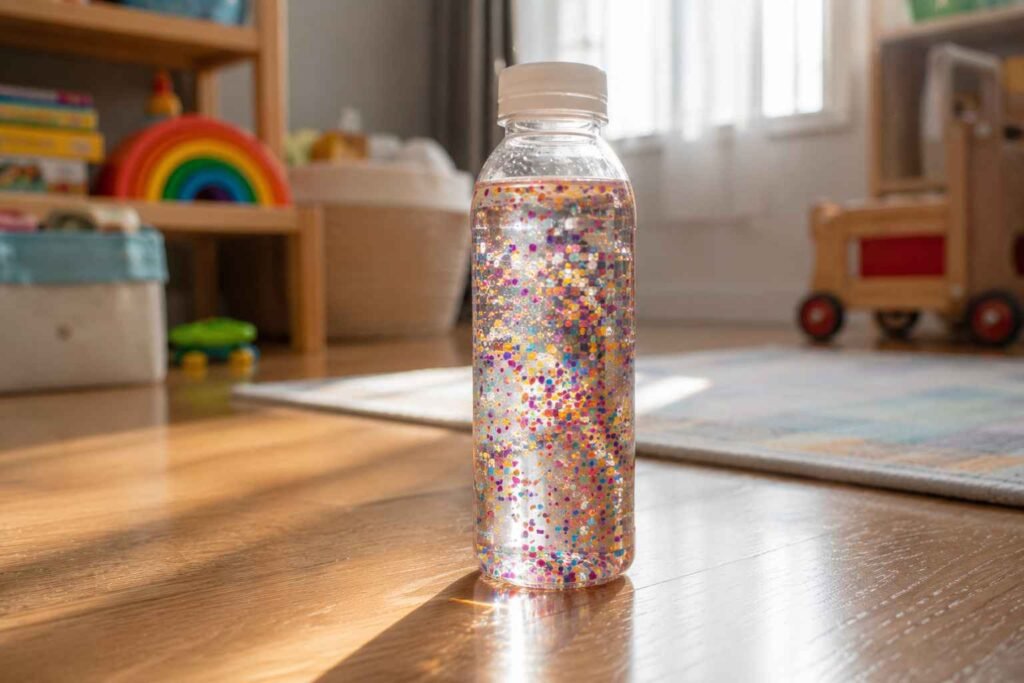
Add colorful confetti to water for a quick and cheerful sensory bottle. It is simple to make and gives toddlers an easy way to watch shapes float, fall, and swirl around.
7. Pom pom color sensory bottle
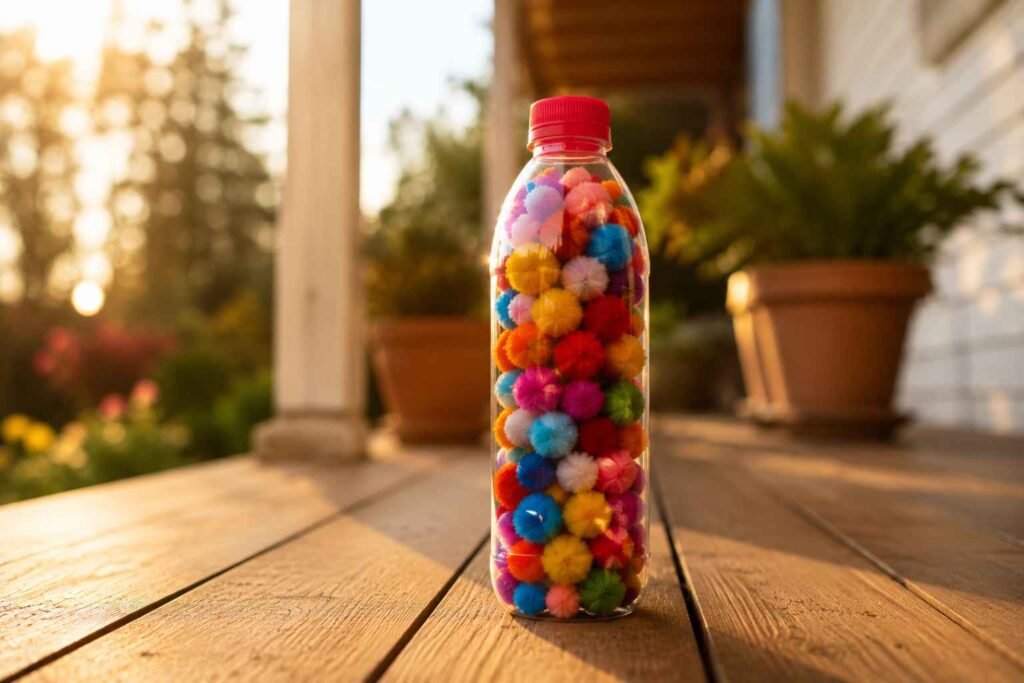
Use small pom-poms in different colors with water or dry filler inside a clear bottle. This works well for color recognition, visual sorting, and hands-on toddler sensory play.
8. Leaf bottle
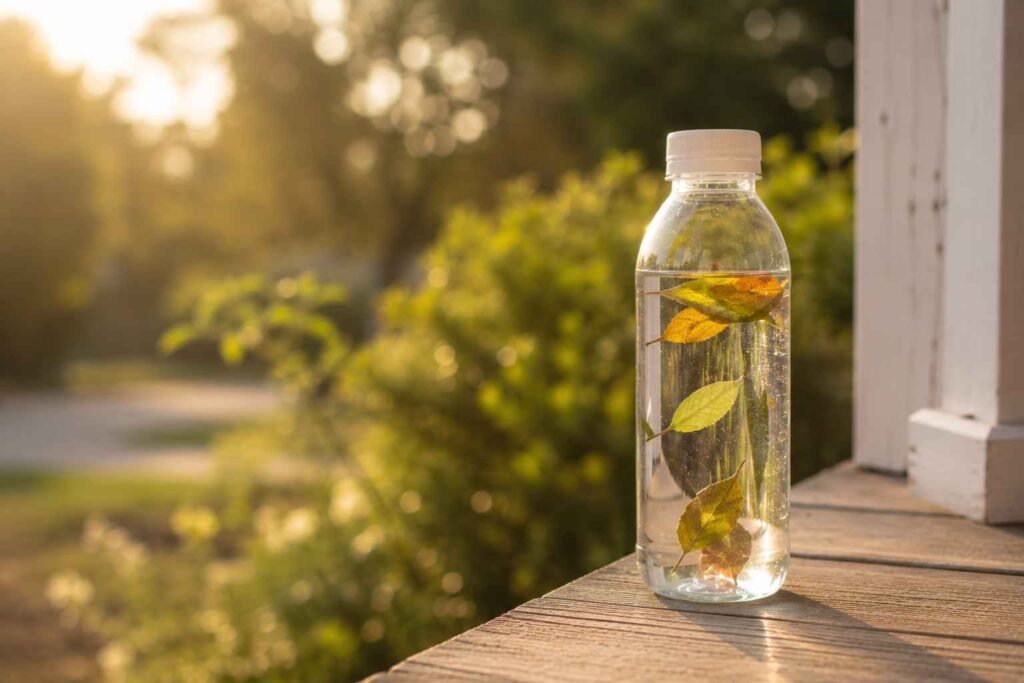
Collect a few small leaves and place them in a bottle with water for a simple nature-themed activity. It is an easy way to bring outdoor textures and seasonal learning into sensory play.
9. Fall bottle
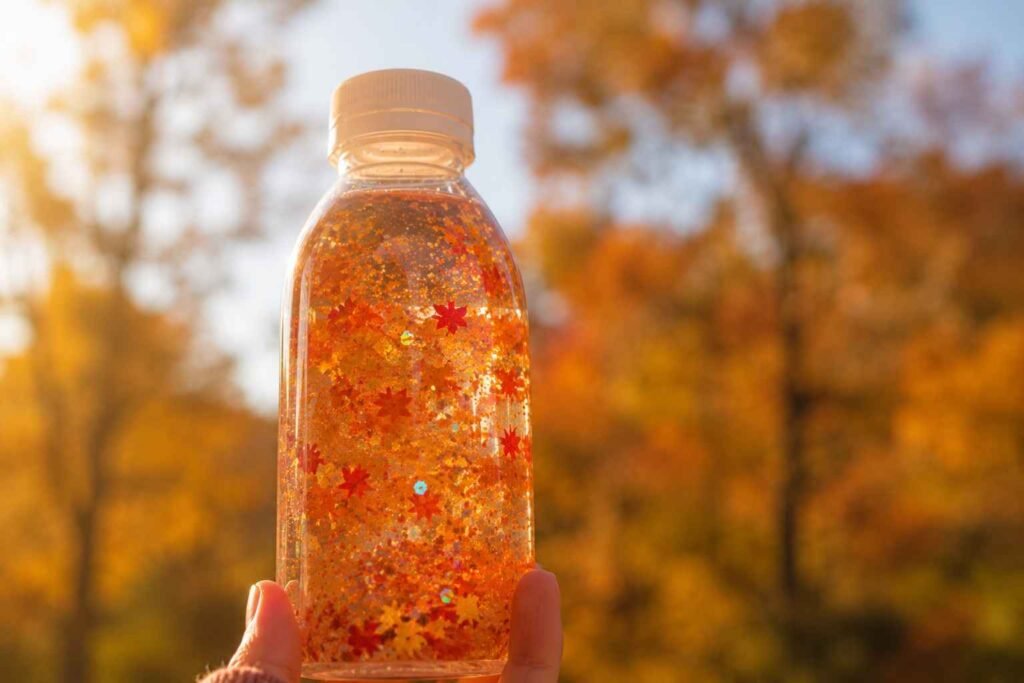
Make a fall sensory bottle with orange, red, and yellow pieces, tiny leaves, or autumn glitter. This seasonal bottle is great for themed toddler activities and cozy sensory play in autumn.
10. Winter snow bottle
Use white glitter, fake snow, or tiny snowflake pieces in clear liquid for a winter sensory bottle. It creates a snow-globe effect that feels calm, simple, and perfect for quiet-time play.
11. Galaxy bottle
Combine dark blue or purple water, glitter, and star confetti to create a galaxy sensory bottle. Kids love the sparkly space theme, and it makes a fun visual bottle for bedtime or calm play.
12. Lava lamp style bottle
Use oil, water, and color to make a bottle with moving blobs that look like a mini lava lamp. This sensory bottle is fun to shake and gives kids a strong visual effect with very simple materials.
13. Sunshine bottle
Fill the bottle with yellow items, gold glitter, or bright pom-poms for a cheerful sunshine theme. It is a happy, high-contrast bottle that works well for visual sensory play with toddlers.
14. Holiday bottle
Create a themed holiday sensory bottle using seasonal colors and safe decorations like foam shapes or confetti. This is an easy way to make sensory play feel fresh during Christmas, Halloween, or other family celebrations.
15. Animal sensory bottle
Add tiny animal figures or printed animal pictures sealed inside a bottle with filler. Kids can shake, search, and name the animals, which makes this bottle useful for sensory play and vocabulary building.
16. Alphabet sensory bottle
Use foam letters, beads, or alphabet cutouts in a bottle so kids can spot letters as they move around. This turns a simple sensory toy into an early literacy activity for toddlers and preschoolers.
17. Number sensory bottle
Fill the bottle with number cutouts, foam numbers, or number stickers that kids can shake, spot, and count. It turns simple counting into a hands-on game and helps toddlers practice number recognition through play.
18. Emotion bottle
Include small face icons or emotion pictures that represent happy, sad, calm, or angry feelings. This sensory bottle can help toddlers talk about emotions in a simple, visual, and low-pressure way.
19. Beach bottle
Use sand-colored filler, shells, blue water, or beach-themed items to create a beach sensory bottle. It brings a vacation feel to sensory play and works well for summer-themed toddler activities.
20. Bubble bottle
Make a bottle with water, soap, and a little color to create bubbly movement inside. Kids enjoy shaking it and watching the bubbles rise, pop, and settle for quick sensory fun.
21. Shaker bottle
Fill a bottle with dry materials like rice, beads, or pasta so it makes sound when shaken. This is a simple sensory bottle idea for kids who enjoy noise, rhythm, and cause-and-effect play.
22. Quiet-time bottle
Use soft colors, slow-moving glitter, or gentle floating pieces for a bottle designed for rest time. It works well as a quiet sensory activity before naps, during calm corners, or after busy play.
23. Travel bottle
Choose a sturdy, easy-to-hold bottle with simple fillers that keep kids busy on the go. A travel sensory bottle is perfect for car rides, waiting rooms, flights, or restaurant time.
24. Bedtime bottle
Use calming colors like blue, silver, or soft purple with slow-falling glitter for a bedtime sensory bottle. It can become part of a relaxing bedtime routine by giving kids something peaceful to watch.
25. Color match sensory bottle
Fill the bottle with colored pieces that can be matched to cards, toys, or printed color sheets. This makes the bottle a fun way to combine sensory play with early color-learning activities.
Rotating just three bottles. That was enough. Eeshaan thought he was getting something new, and I didn’t have to build a whole craft shelf.
Frequently Asked Questions
Are sensory bottles good for toddlers?
Yes, they can be great for toddlers. Keep them sealed and simple. Toddlers usually like bold colors, slow movement, and easy-to-hold bottles. We used them for quiet time and travel.
What’s the safest bottle to use?
A clear plastic bottle is the safest choice for most kids. Glass is heavier and can break. I also like sealing the cap with glue so a toddler can’t twist it open.
Can sensory bottles help calm a meltdown?
Sometimes, yes. Not always. They work better after the big feelings start to settle. For us, they were a nice reset tool, not a magic fix.
What should I put in a sensory bottle for a baby?
Keep it very simple. Use high-contrast colors and fully sealed bottles. Avoid small loose parts and anything that can break apart.
How long do sensory bottles last?
A well-made bottle can last for months. The big problems are leaks, cloudy liquid, or fillers that break down. Ours lasted longer when we kept them out of heat.
Are sensory bottles Montessori-friendly?
They can be. They’re hands-on, simple, and focused. That fits the feel of Montessori-style play even if they’re not an official Montessori toy.
Can I use a sensory bottle at bedtime?
Yes, if it’s calm and not too bright. We used soft bottles after bath time, and that worked better than the flashy ones.
What worked for us
What I wish I’d known sooner is that sensory bottles don’t need to be perfect. They just need to hold a kid’s attention for a minute or two. That alone can save a rough afternoon.
For Eeshaan, the best ones were always the simplest ones: clear, sealed, not too full, and nothing fancy. Honestly, that’s kind of the whole story with parenting too. The small things that work are usually the ones you keep using.
What’s worked in your house? I’d love to hear in the comments.
5 Comments